
The Ultimate Guide to Organic Certifications: What Every Global Food Buyer Should Know (2026)
Introduction
In today’s food industry, certifications have become far more than labels on a package, they’re a signal of trust. For buyers sourcing organic ingredients across borders, certifications provide confidence that products meet internationally recognized standards for quality, traceability, and sustainability.
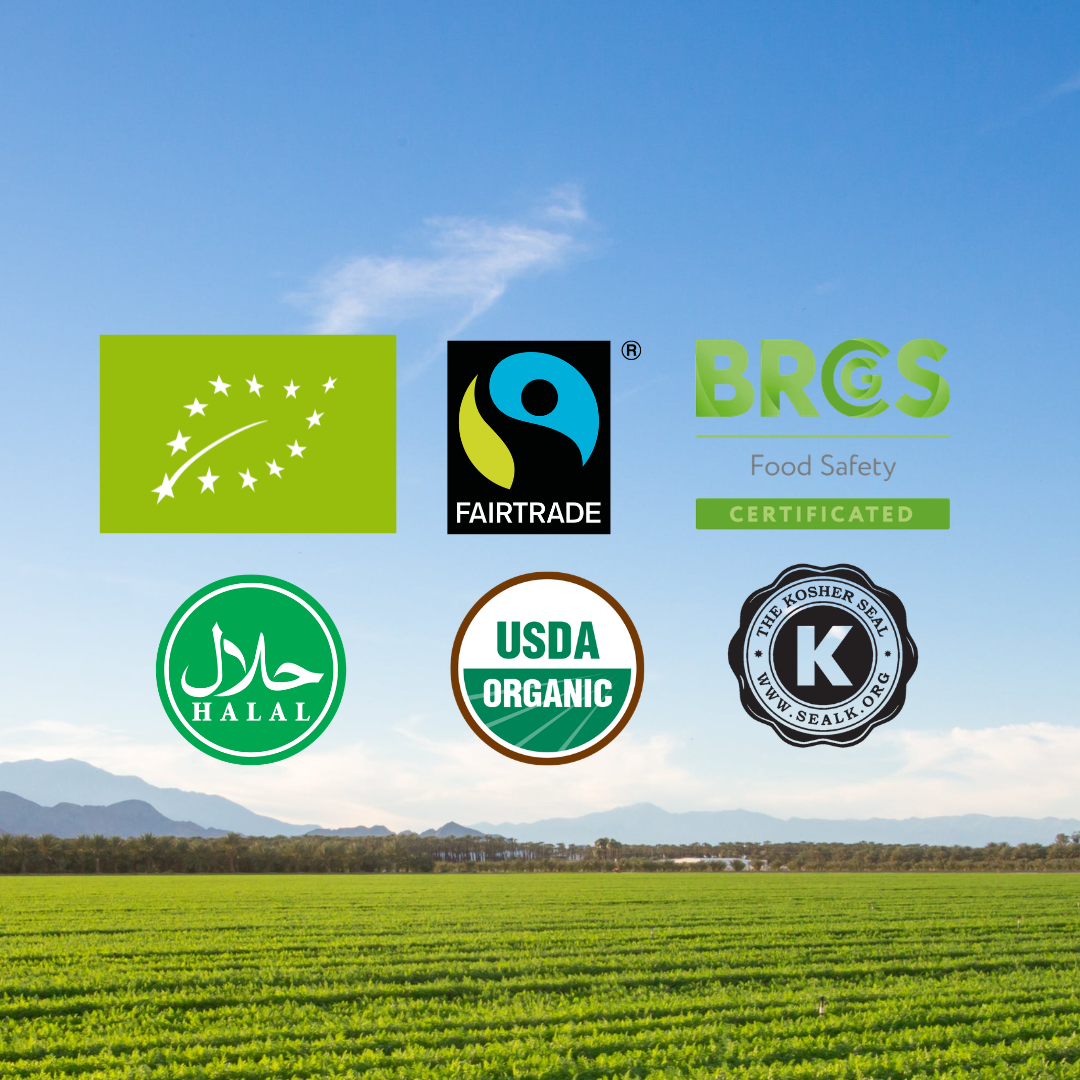
Whether you’re importing organic cashew nuts, coffee, spices, or other agricultural products, understanding certifications such as USDA Organic, EU Organic, Fairtrade, Halal, and Kosher can help reduce sourcing risks and ensure compliance with your target market.
This guide explains what these certifications mean, why they matter, and how they support a transparent supply chain from farm to final product.
Why Organic Certifications Matter
As consumers become more conscious of what they eat and where it comes from, governments and retailers have responded with stricter requirements for organic products. Today, certifications play a central role in international food trade, helping buyers verify that products are produced responsibly and handled according to recognized standards.
Beyond meeting regulations, certifications strengthen consumer confidence, improve supply chain transparency, and demonstrate a commitment to sustainable agriculture. They also make it easier for importers to evaluate suppliers, reducing the need to rely solely on marketing claims.
For businesses sourcing organic ingredients, certifications are often the first indication that a supplier has invested in long-term quality management and continuous compliance.
Understanding the World’s Leading Organic Certifications
While all certifications aim to build trust, each serves a different purpose depending on the market and customer requirements.
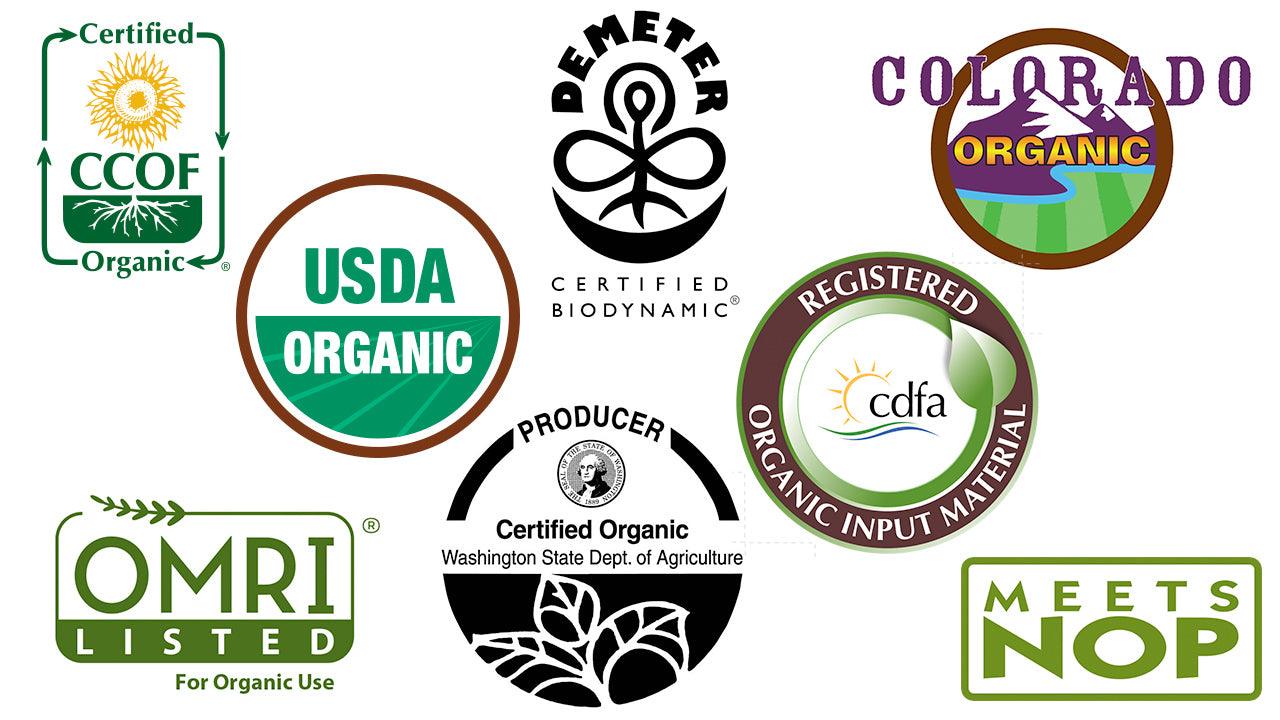
For companies exporting to the United States, USDA Organic is among the most recognized standards. It verifies that products are grown and processed according to the USDA National Organic Program, which prohibits synthetic pesticides, genetically modified organisms (GMOs), and other prohibited substances. Regular inspections and detailed documentation ensure products remain compliant throughout the supply chain.
In Europe, the EU Organic certification follows its own regulatory framework, emphasizing biodiversity, soil health, animal welfare, and traceability. Products meeting these standards may carry the EU Organic Leaf logo, offering reassurance to European consumers and retailers alike.
Organic production is only one part of responsible sourcing. Many buyers also look for certifications that reflect social and ethical commitments. Fairtrade Certification, for example, focuses on improving the livelihoods of farmers through fair pricing, better working conditions, and community development. For brands with Environmental, Social, and Governance (ESG) goals, Fairtrade adds another layer of value beyond organic production.
Meanwhile, Halal and Kosher certifications address specific dietary requirements and are increasingly important in global food markets. While rooted in religious standards, these certifications are also recognized for their rigorous inspection processes and strict controls over ingredients, processing, and handling. For suppliers serving diverse international markets, obtaining multiple certifications can significantly expand market opportunities.
More Than a Label: What Certifications Reveal About a Supplier
A certification logo represents much more than compliance with a checklist. Behind every certified product is a comprehensive management system involving trained farmers, documented production practices, independent audits, and complete traceability.
Certified suppliers are expected to maintain detailed records throughout the production cycle—from land preparation and cultivation to harvesting, processing, packaging, and export. Annual inspections verify that these standards continue to be met, ensuring consistency year after year.
For buyers, this level of transparency reduces uncertainty and strengthens confidence in both product quality and supplier reliability.
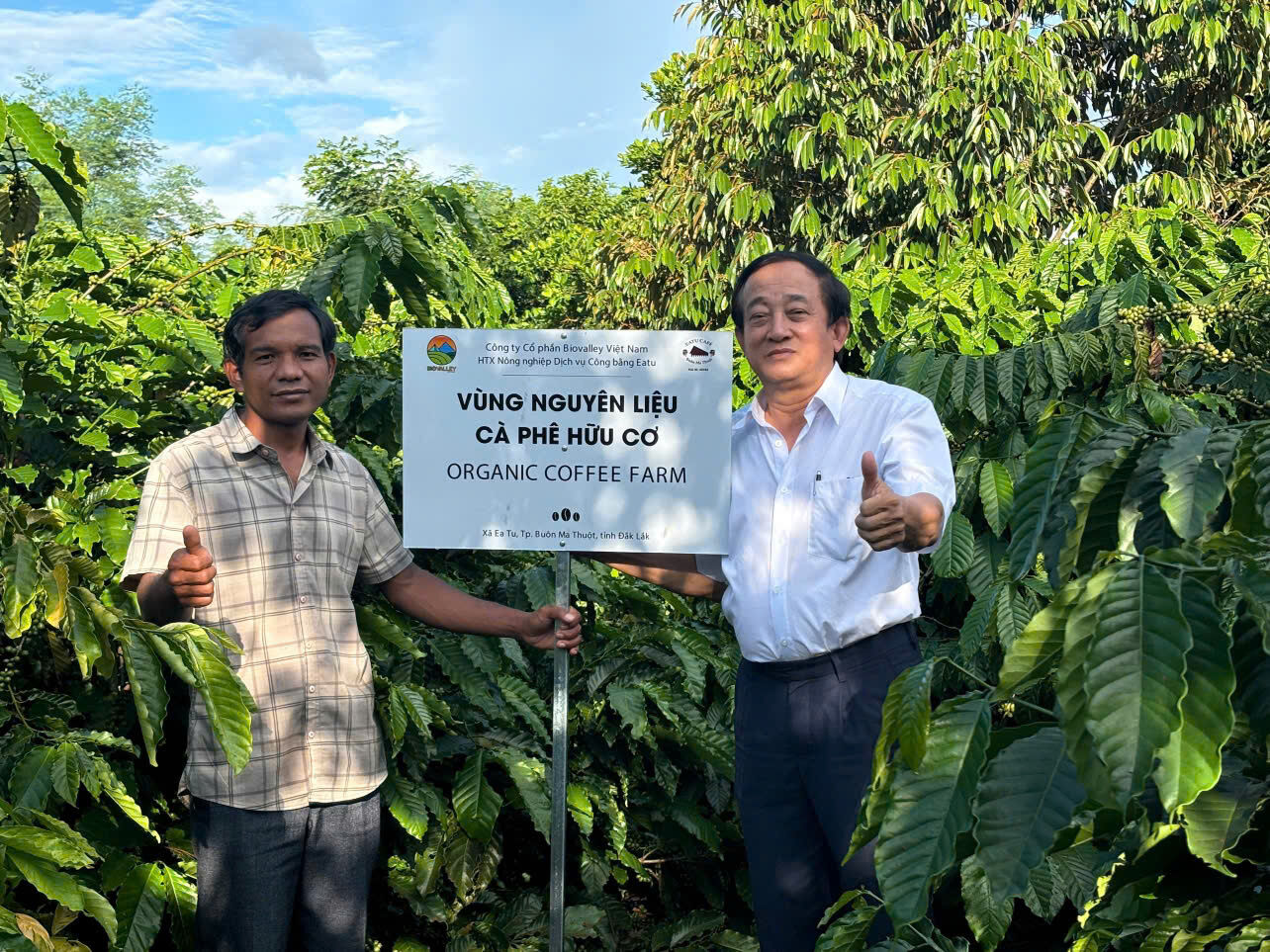
Choosing a Certified Organic Supplier
While certifications are essential, they should not be the only factor when evaluating a supplier. A reliable sourcing partner combines internationally recognized certifications with proven production capacity, transparent documentation, and experience serving global markets.
When assessing a supplier, buyers should consider whether they can provide complete traceability, maintain consistent quality across harvests, support export documentation, and demonstrate a long-term commitment to sustainable agriculture.
These capabilities often distinguish strategic supply partners from companies that simply hold certificates.
BioValley’s Commitment to Certified Organic Sourcing
At BioValley Vietnam, certifications are integrated into every stage of the supply chain rather than treated as a final requirement. Working closely with organic farming communities, the company emphasizes sustainable cultivation, traceability, and quality management from farm to export.
Through partnerships with certified growers, modern processing facilities, and compliance with international standards, BioValley supplies organic cashew nuts, coffee, spices, and agricultural ingredients to customers across Europe, North America, and other global markets.
This integrated approach enables buyers to source products with confidence while supporting farming practices that protect both people and the environment.

Conclusion
In an increasingly competitive food industry, organic certifications have become an essential foundation for international trade. They provide assurance that products are produced responsibly, meet regulatory requirements, and support transparent supply chains.
For buyers, understanding the role of certifications is the first step toward building reliable sourcing partnerships. For suppliers, maintaining these standards reflects an ongoing commitment to quality, sustainability, and continuous improvement.
Whether sourcing ingredients for retail, manufacturing, or private label production, choosing a certified organic supplier helps create stronger, more resilient supply chains that benefit businesses, consumers, and farming communities alike.
Ready to Source Certified Organic Products?
About BioValley Vietnam
BioValley Vietnam partners with certified organic farming communities across Vietnam to supply organic cashew nuts, coffee, spices, and agricultural ingredients. Our commitment to traceability, international certifications, and sustainable farming supports customers in Europe, North America, and other global markets.
Get in touch today to discuss your sourcing requirements or request product information.