

Bulk Organic Cashew Packaging: 7 Essential Tips for Success
Bulk Organic Cashew Packaging: Vacuum Bags, Pack Sizes and Storage Requirements
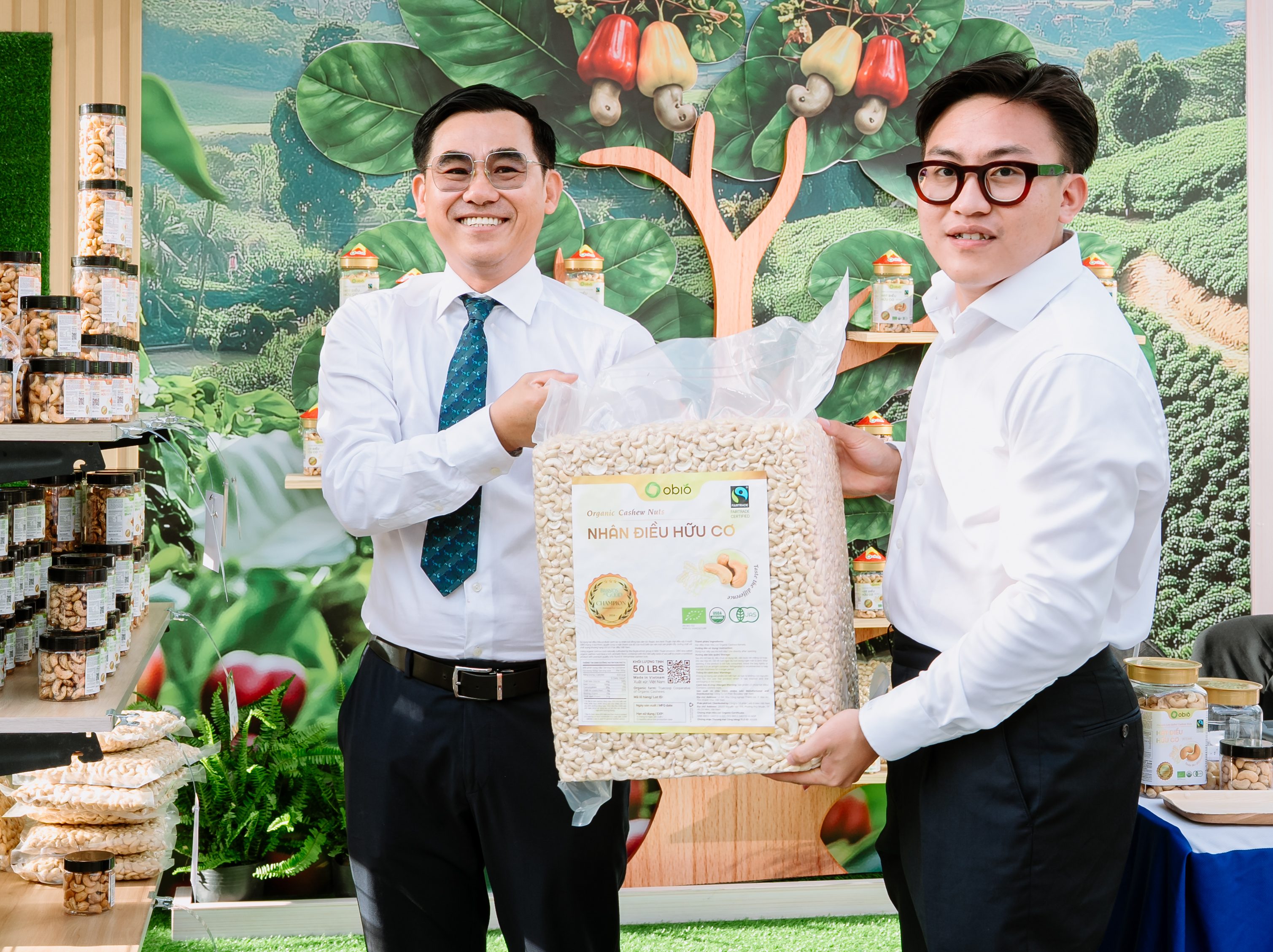
For an importer, food manufacturer or repacker, bulk organic cashew packaging is part of the product specification. The bag needs to protect the kernels through transport and storage, while the pack size needs to fit how the product will be used after delivery. A manufacturer consuming a full bag during one production run has different requirements from a distributor supplying smaller quantities or a repacker opening the same bag over several days.
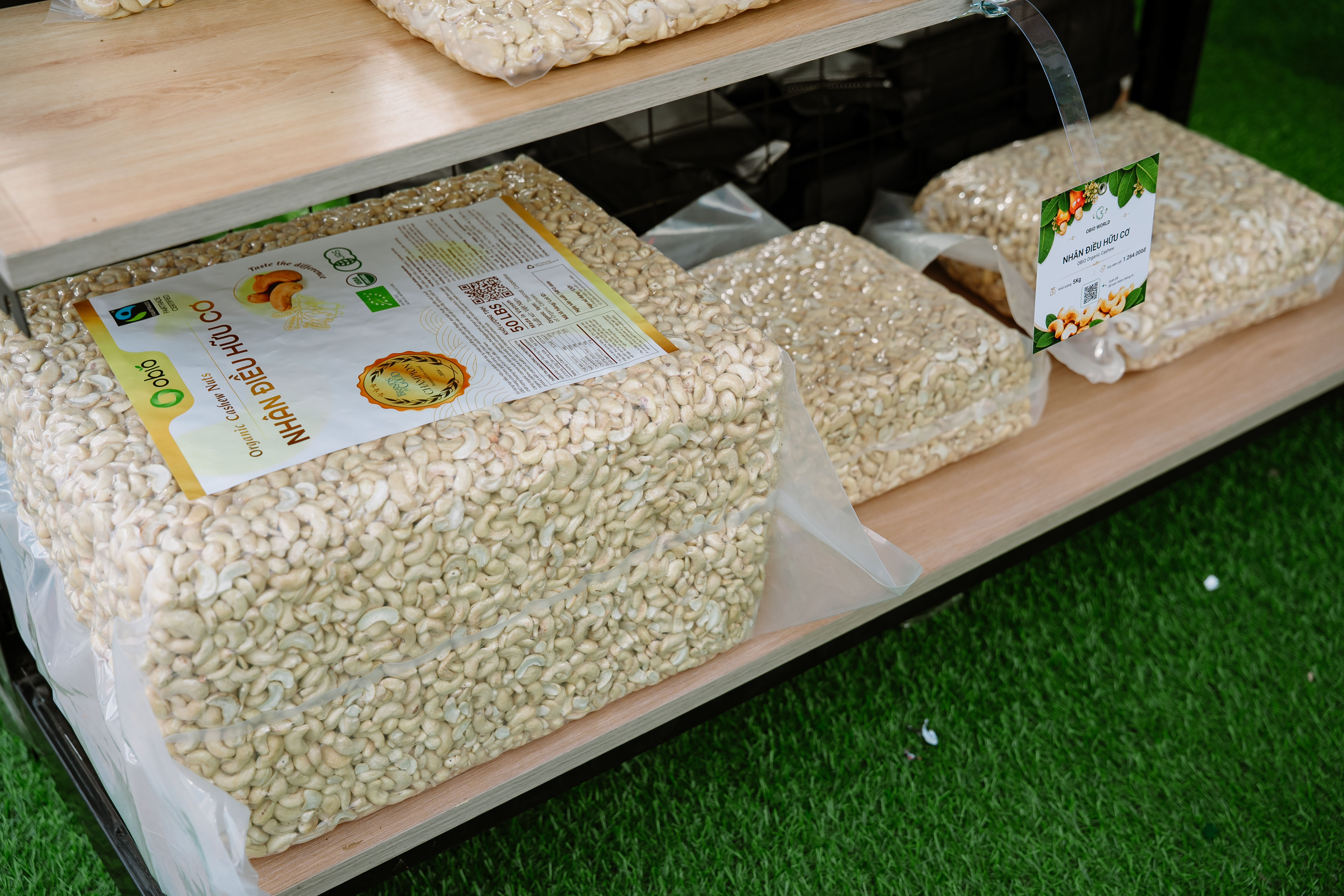
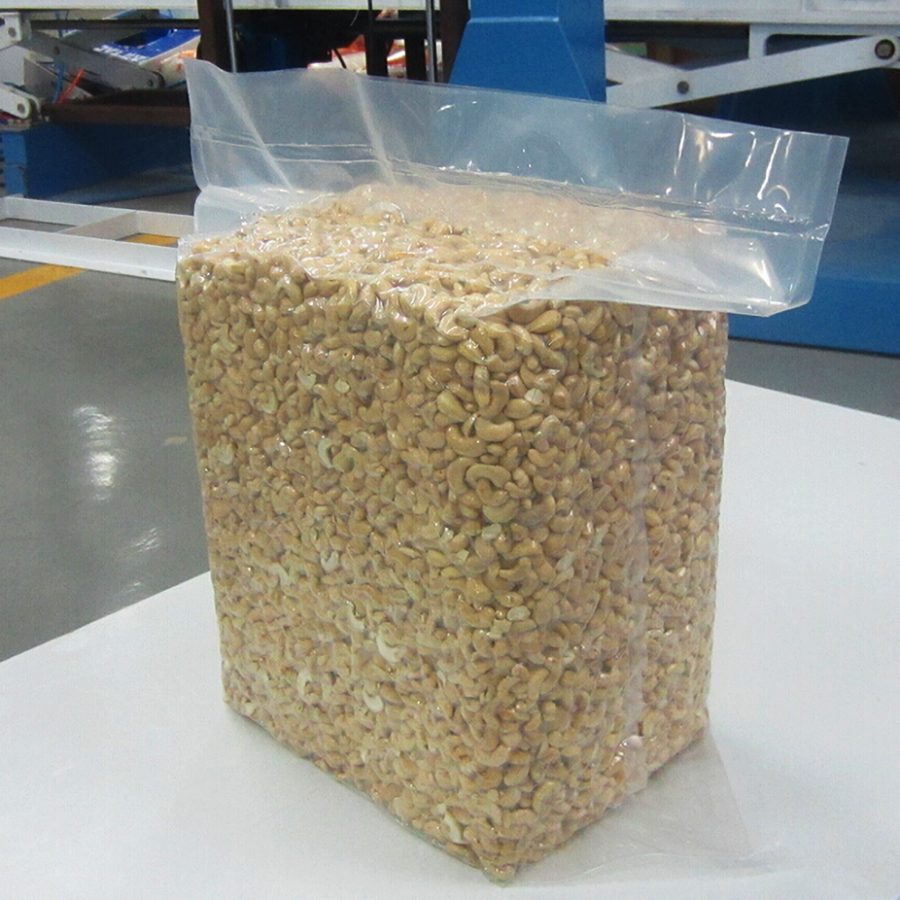
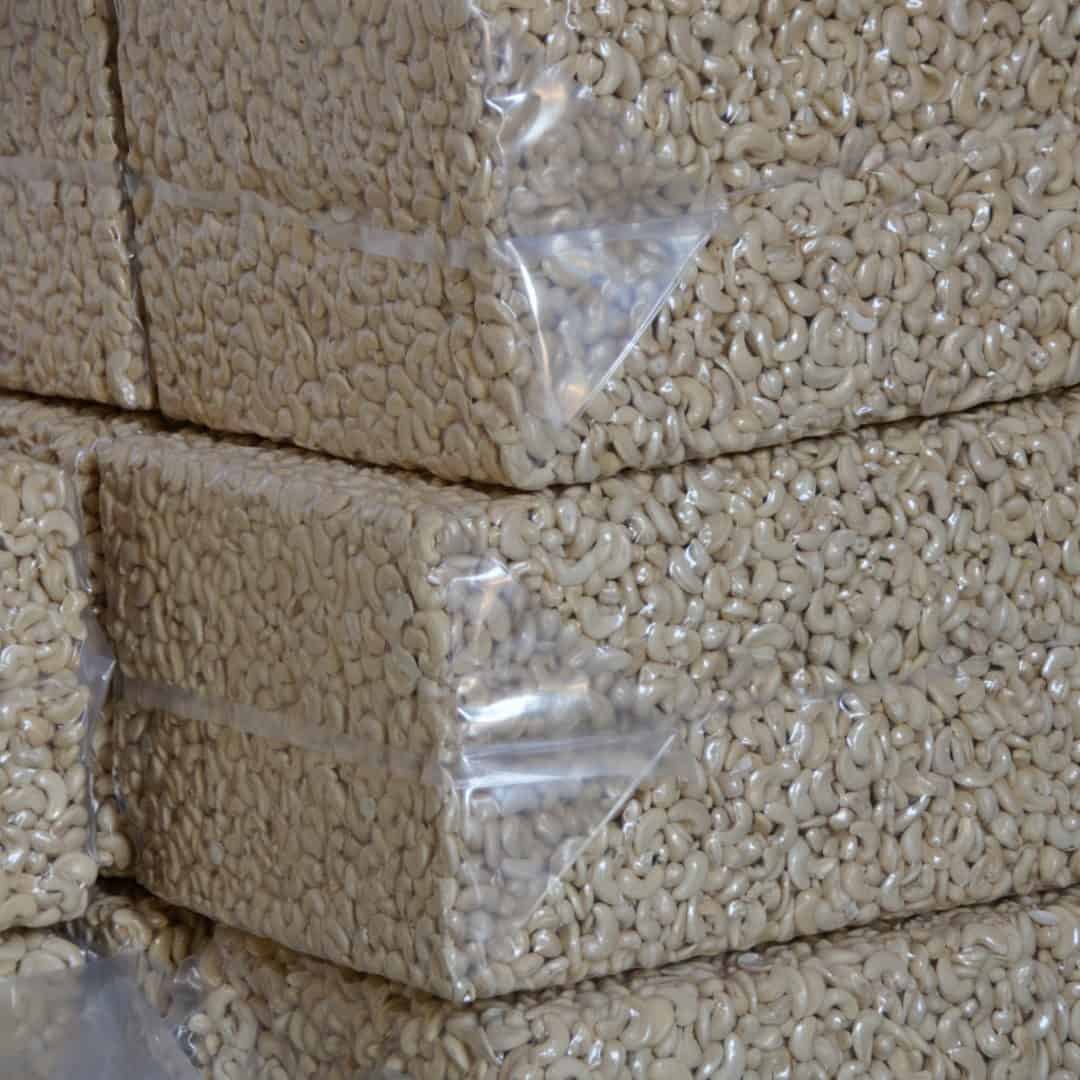
BioValley Vietnam lists vacuum-sealed PE bags in export cartons, with 5 kg, 25 lb and 50 lb options for organic cashew kernels. This guide explains what those packaging decisions mean in practice, how to choose a suitable format, and what to confirm about storage and handling before placing an order.
Key Insights
Vacuum packing is one part of product protection; bag material, seal integrity and storage conditions also matter.
Pack size should match consumption after opening, as well as purchasing volume.
Organic identification and lot information should remain traceable through storage, handling and repacking.
Sealed-pack shelf life and after-opening guidance are separate requirements.
BioValley’s listed packaging formats provide a starting point; confirm the current configuration for your selected grade and order.
What Vacuum Bags and Export Cartons Do
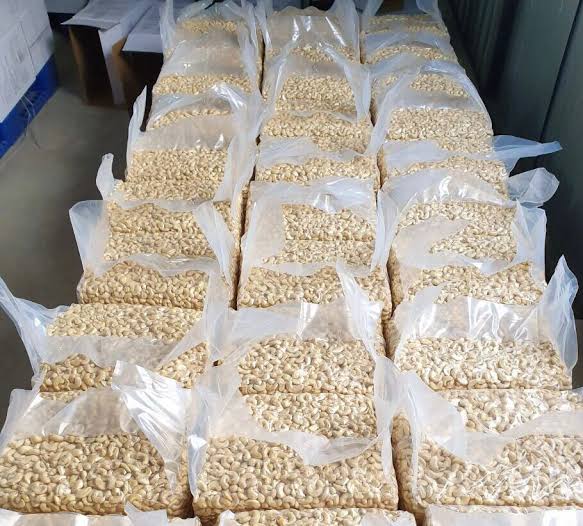
Vacuum packing removes air before the bag is sealed, but the protection it provides depends on the complete package. The bag material determines its barrier properties, the seal needs to remain intact, and the storage environment must suit the product. “Vacuum-packed” therefore describes a packing method rather than a complete performance specification. Buyers should request the actual bag specification and confirm its suitability for the intended distribution route and storage period.
The export carton serves a different purpose: it supports handling, stacking and transport while protecting the inner bags from physical damage. The Association of Food Industries’ cashew specifications describe airtight containers and packaging strong enough for normal shipment and storage. In practice, buyers need to review both layers together. A sound carton does not prove that every inner bag is intact, and vacuum packing does not replace food safety controls.
2. How to Choose a Bulk Organic Cashew Packaging Size
The useful question is how much product your operation can manage once a bag is opened. Smaller bags may suit shorter production runs or repacking sessions because they reduce the need to repeatedly expose the remaining kernels. Larger bags may suit manufacturers consuming greater quantities in one run. The choice should reflect actual production use, handling capacity and opened-stock management, alongside the quoted price per kilogram.
| Listed BioValley format | Approximate metric equivalent | What to consider |
|---|---|---|
| 5 kg | 5 kg | Whether the quantity matches a production batch or repacking session |
| 25 lb | 11.34 kg | How quickly the opened quantity will be used |
| 50 lb | 22.68 kg | Whether handling capacity and consumption suit the larger quantity |
These are planning considerations, not fixed uses for each format. Confirm net weight per bag, the number of bags per carton and gross carton weight before comparing quotations. For example, a repacker using only part of a large bag each day should account for the handling and protection of the remaining kernels. A purchasing decision based on unit price alone may overlook that work and any resulting waste.
3. Protecting Organic Identity During Storage and Repacking
Organic cashew packaging needs to support clear product identification as well as physical protection. For USDA organic operations, USDA guidance on preventing commingling and contamination explains the need for practices that prevent mixing organic and nonorganic products and contact with prohibited substances. Where a facility handles both, storage locations, containers and handling procedures should allow staff to distinguish the products and retain their identity.
The practical issue becomes particularly clear when a bag is opened or its contents are transferred. Keep the product name, grade and lot code connected to the kernels in each receiving container, and retain the relevant records. Before ordering, agree label information for the destination market, including net weight, origin, relevant dates, allergen information and organic identification. Staff should be able to establish what a container holds and which lot it came from without relying on memory.
4. What to Check When the Shipment Arrives
Receiving inspection connects the agreed packaging specification with the goods delivered. Check cartons and a representative selection of inner bags according to your quality procedure, looking for punctures, damaged seals, unexpected loss of vacuum, moisture damage or visible contamination. Compare the product, grade, pack weights, quantities and lot codes with the order and packing list. An undamaged outer carton should not be the only basis for accepting the inner packs.
If a concern is found, record photographs, affected quantities and lot details, then hold the affected packs separately while your quality team and supplier review the issue. A bag that has lost vacuum needs investigation rather than an assumption that the product is acceptable. Receiving checks should also avoid unnecessary opening of otherwise sealed bags, because opening changes the conditions under which the product will subsequently be stored.


5. Storage Requirements for Sealed Bulk Cashew Packs
Bulk cashew storage should follow the written specification for the actual product and packaging. Request the supplier’s temperature, humidity and shelf-life requirements before delivery so your warehouse can assess whether it can maintain them. Keep sealed packs protected from heat, direct sunlight, damp conditions and strong-smelling materials, using clean storage locations and suitable pallets or shelving. Follow the agreed stacking limits, and where refrigerated storage is used, establish a procedure for moving and opening packs that manages condensation.
Inventory planning matters alongside warehouse conditions. Confirm when shelf life starts, the minimum remaining shelf life expected at delivery and the rate at which your business will use the stock. Where dates are provided, use first-expired, first-out rotation. General guidance on nut storage supports controlling temperature, moisture and odour exposure, but it does not establish a shelf life for a particular BioValley product. A storage claim should always relate to the specified kernels, package and conditions.
6. Handling Cashews After Opening
Opening a vacuum bag removes its original vacuum condition. Folding or clipping the bag closed may help contain the product, but it does not restore the unopened package. Plan to open the quantity needed for the operation, use clean and dry handling equipment, and protect remaining kernels according to the agreed procedure. Mark the opening date and preserve the lot code, including when the contents are divided between several containers.
After-opening guidance should be requested separately from unopened shelf life. If your operation repacks the kernels, confirm suitable packaging materials and any shelf-life validation needed for the new format, since the original supplier’s statement may depend on a different package. The same distinction applies across product types: request the specification for the actual SKU when ordering organic roasted or flavoured cashews, rather than applying raw-kernel instructions automatically.
7. What to Specify in Your BioValley Enquiry
A useful bulk organic cashew packaging brief starts with your destination market, intended application, required grade, order quantity and preferred pack weight. Add the operational details that affect the choice, such as production batch size, expected consumption after opening and any warehouse constraints. BioValley can then respond to the packaging requirements of the project rather than to an unspecified request for “bulk bags.”
Before confirming the order, agree the bag specification, carton configuration, label information, storage instructions and remaining shelf life at delivery. If you are sourcing W320, review the organic W320 cashew specifications alongside the packaging requirements. Ask whether samples can be supplied in the proposed commercial pack, and retain the agreed specification for repeat orders so any changes to material, weight or carton configuration can be reviewed before shipment.
Frequently Asked Questions
1. What bulk packaging does BioValley list for organic cashew kernels?
BioValley lists vacuum-sealed PE bags in export cartons, with 5 kg, 25 lb and 50 lb options. Confirm current availability, net weight per bag and carton configuration for your selected product and order.
2. Is a larger pack always better value?
The answer depends on how your operation uses the kernels. Compare unit price with handling capacity, consumption after opening and the work needed to protect remaining product. A larger pack may suit a high-volume production run, while a smaller one may fit shorter repacking sessions.
3. How should vacuum-packed cashews be stored?
Follow the product-specific temperature, humidity and shelf-life instructions supplied with the order. Keep bags sealed until needed and protect them from damage, heat, moisture, direct sunlight and strong odours.
4. How long can cashews be kept after opening?
Request guidance for the actual product and handling conditions. An unopened shelf-life statement does not establish how long kernels can be kept after a bag has been opened or repeatedly accessed.
5. Can raw and flavoured organic cashews use the same packaging specification?
Not automatically. Processing, formulation and intended use may change the requirements. Confirm the packaging and storage specification for each product being purchased.
6. Discuss Your Bulk Organic Cashew Packaging Requirements
For organic cashew buyers, packaging is most useful when it fits the complete operation: receiving, storage, production and handling after opening. Agreeing those details before ordering gives the supplier and your team a shared specification to work from.
Contact BioValley Vietnam through our organic cashew kernels page to request the current packaging specification and discuss samples. Share your destination, preferred grade, expected quantity and intended application so the team can help assess the appropriate bulk format for your project.