

Organic W320 Cashew Specifications: Size, Moisture, Colour and Quality Requirements
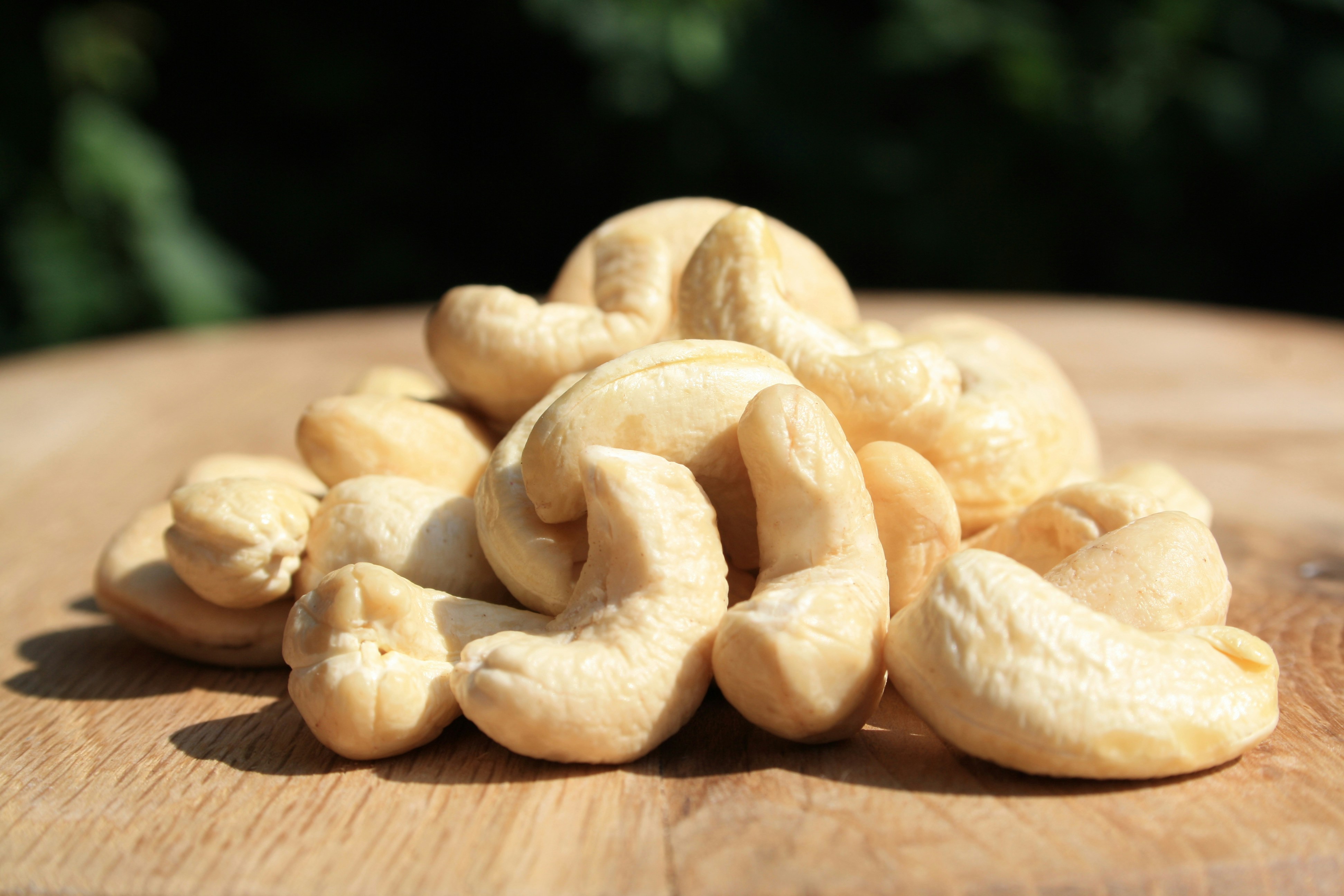
Organic W320 cashew specifications should help buyers answer two questions: does the product meet the required kernel quality, and is its organic status supported for the intended market?
For importers, food manufacturers, distributors, and private-label brands, both matter. A kernel grade describes product characteristics; organic certification addresses the applicable production and handling requirements. Buyers need to assess them together.
BioValley Vietnam focuses on supplying organic agricultural products, including organic cashew kernels and value-added cashews. This guide explains what to confirm when sourcing organic W320 cashews, from physical specifications to product documentation and sample approval.
Organic W320 Cashew Specifications at a Glance
Start with a specification that separates kernel quality from organic verification.
| Requirement | What the buyer should confirm |
|---|---|
| Product identity | Organic raw W320 cashew kernels, or the specific processed product being purchased |
| Size and shape | Applicable grading standard and assessment method |
| Moisture | Agreed acceptance range, test method, and lot-specific results where required |
| Colour | Quality-grade description and approved reference sample |
| Breakage and defects | Individual limits, total limits where applicable, and inspection procedure |
| Organic status | Certification relevant to the product, operation, and destination market |
| Traceability | How the supplied lot connects to sourcing and processing records |
| Packaging | Available format, net weight, sealing, and agreed labelling |
| Documentation | Records required before approval and for the shipment |
The physical reference values in the AFI cashew specification can support the quality discussion. They should be checked alongside the buyer’s contractual requirements and BioValley’s current product specification.
1. Understand the Grade of Organic W320 Cashews
W320 is commonly used to describe white whole cashew kernels in the 320 size designation. The designation helps buyers identify the kernel format, but it does not establish organic certification.
When requesting organic W320 cashews, state both requirements explicitly. Your enquiry should identify the kernel grade and the organic certification required for your destination market.
Explain the intended application as well. Organic kernels for retail repacking, further roasting, or food manufacturing may require different sample evaluations and purchasing arrangements.
For BioValley’s product offering, visit the organic cashew kernels page.
2. Agree Moisture and Testing Requirements
Include moisture acceptance criteria in the written specification. Ask which test method will be used and whether the results supplied relate to the actual lot being purchased.
Distinguish a typical product value from an acceptance limit. A typical value introduces the product; an agreed limit determines whether the delivered lot meets the contract.
Organic documentation does not replace product testing. Review the quality information and organic records as separate parts of the same approval process.
Before placing the order, agree who arranges testing, when results are available, and how conflicting findings will be investigated.
2. Agree Moisture and Testing Requirements
Include moisture acceptance criteria in the written specification. Ask which test method will be used and whether the results supplied relate to the actual lot being purchased.
Distinguish a typical product value from an acceptance limit. A typical value introduces the product; an agreed limit determines whether the delivered lot meets the contract.
Organic documentation does not replace product testing. Review the quality information and organic records as separate parts of the same approval process.
Before placing the order, agree who arranges testing, when results are available, and how conflicting findings will be investigated.
3. Define Colour and Appearance Expectations
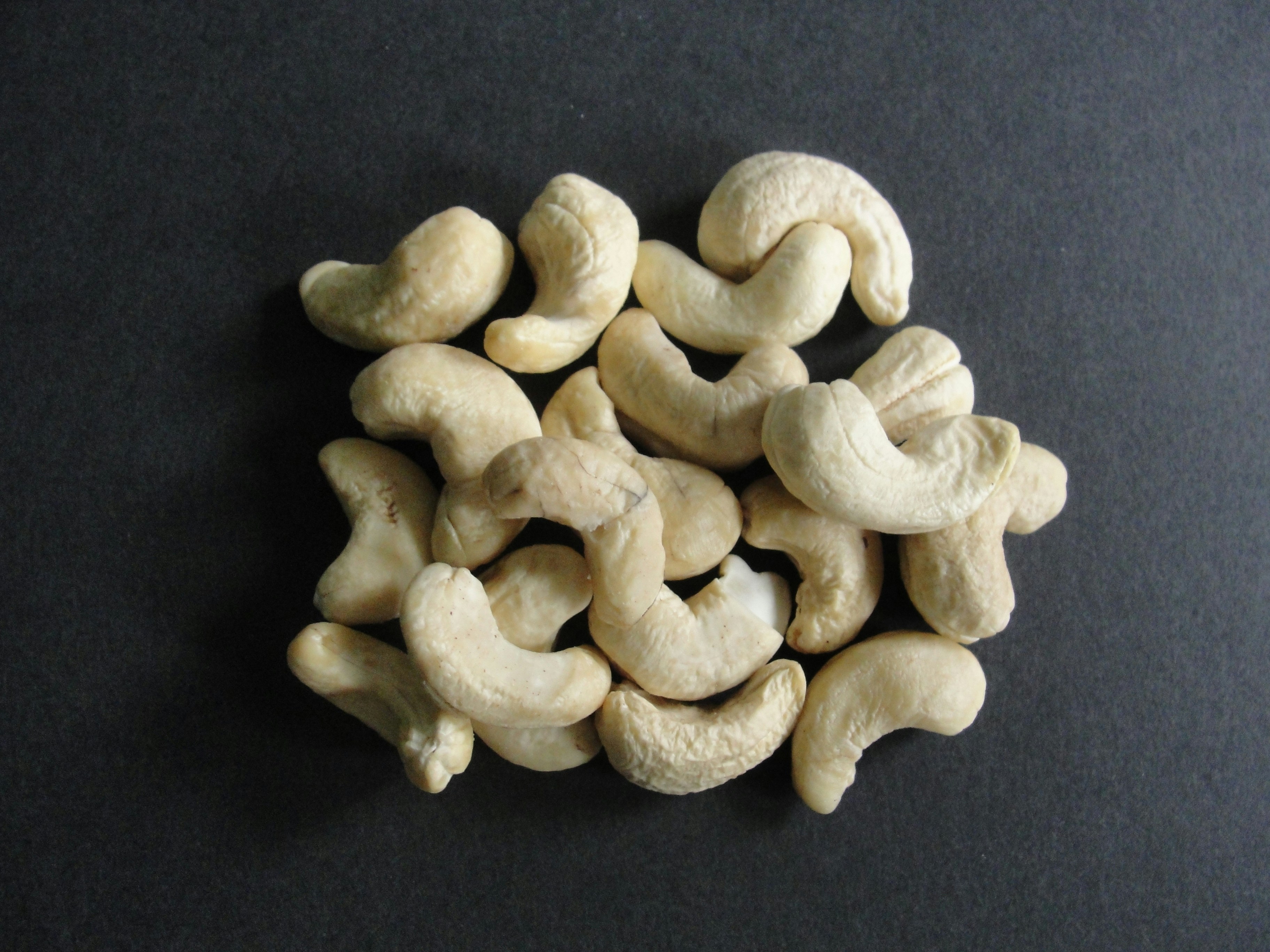
Use the applicable quality description together with a clearly identified reference sample.
Photographs can support initial discussions, but lighting and camera settings can affect perceived colour. Record which characteristics have been approved and which assessments remain outstanding.
For buyers roasting organic kernels, consider an application trial under the intended processing conditions. Agree how the trial will be evaluated before treating it as an approval.
If BioValley supplies a finished roasted or flavoured product, approve the specification for that finished product rather than relying only on the raw-kernel reference.
4. Specify Breakage and Defect Tolerances
Organic W320 cashew specifications should identify breakage and defect requirements clearly. Avoid combining every quality criterion under a single description such as “premium quality.”
Reference the agreed standard and record any stricter limits negotiated for your application.
Keep those requirements consistent across the quotation, specification, sample approval, and purchase order. A special acceptance for one lot should be documented separately from the requirements for future shipments.
When reporting a quality concern, identify the affected lot, the assessment method, and the specific criterion being reviewed.
5. Verify Organic Certification for the Product and Market
Confirm that the organic documentation is relevant to the product being ordered and the intended destination.
For raw organic kernels, review the scope associated with the supplied product and the operations involved. For roasted or flavoured cashews, request confirmation for the finished SKU, including the relevant ingredients and processing activities.
Do not assume that a company’s organic credentials automatically cover every product in its catalogue.
BioValley’s organic supplier verification guide provides a starting point for discussing certification scope and supporting documentation.
6. Review Traceability and Packaging Together
Ask how the supplier identifies the product through sourcing, processing, packing, and dispatch.
The lot references on packaging and documents should allow the buyer to connect the received goods to the relevant records. Where identifiers differ, request an explanation of how they relate.
Discuss the available bulk packaging, net weight, sealing, handling, and storage instructions for your order. Confirm these details against the current offer rather than assuming that a format shown elsewhere applies to every product.
For organic supply, also ask how product identification and handling procedures support the integrity of the ordered lot.
7. Approve the Sample and Final Sourcing Brief
Evaluate the sample against the agreed organic W320 cashew specifications. Record its identity, what it represents, the assessment results, and the approval decision.
An initial selection sample and a sample associated with a production lot have different purposes. Confirm which type you have received before using it to support shipment acceptance.
Use this checklist to prepare your enquiry:
| Information | What to provide |
|---|---|
| Intended use | Retail, foodservice, manufacturing, or further processing |
| Product | Organic raw W320 kernels or the required finished format |
| Destination | Country where the product will be imported or sold |
| Organic requirement | Relevant certification and buyer requirements |
| Quality specification | Applicable standard and additional acceptance criteria |
| Quantity | Initial order estimate and potential repeat demand |
| Packaging | Requested format and net weight |
| Sample review | Physical assessment, testing, and application trial needs |
| Delivery | Required window and quotation basis |
Sourcing Organic Cashews from BioValley Vietnam
BioValley’s organic cashew offering includes kernels and value-added products for different business applications.
When discussing organic W320 supply, share your destination market, intended use, estimated quantity, quality requirements, and packaging needs. Ask the team to confirm the current product specification, relevant certification scope, available formats, and sample arrangements.
For projects involving roasting, flavouring, or branded packaging, explore BioValley’s private-label organic cashew manufacturing guide.
Frequently Asked Questions
1. Does W320 mean the cashews are organic?
No. W320 identifies a kernel grade and size designation; it does not indicate organic status. Buyers sourcing organic W320 cashews should verify the relevant certification separately and confirm that its scope covers the product and operations involved. The documentation should also be appropriate for the destination market where the cashews will be imported or sold.
2. Do organic cashews still require quality specifications?
Yes. Organic verification and physical quality specifications address different requirements. Buyers should agree on kernel size, moisture, colour, breakage and defect tolerances, together with testing, packaging, and acceptance procedures. A written specification gives both parties a clear reference for sample approval and shipment inspection.
3. Can raw and flavoured cashews use the same organic documentation?
The same documentation may cover multiple products, but buyers should confirm its scope for the exact product being ordered. Coverage for raw organic kernels should not automatically be assumed to include roasted or flavoured cashews. For a finished flavoured SKU, request confirmation of the relevant ingredients, processing activities, and certification coverage for your destination market.
4. What should I request from BioValley before ordering?
Request the current product specification, relevant organic documentation, available packaging options, and sample arrangements. Share your destination market, intended application, estimated quantity, and preferred delivery window so the team can assess your requirements. If you already have a purchasing specification or reference sample, include it to make the discussion more precise.
Discuss Your Organic W320 Cashew Requirements
Contact BioValley Vietnam to request the current organic W320 cashew specification and discuss sample requirements for your market.
Whether you are sourcing kernels for retail repacking, foodservice, or further processing, share your intended application, required quantity, destination, and packaging preferences. Include any specific quality criteria or documentation requirements so our team can confirm the appropriate product offering and next steps.
Submit your enquiry through our organic cashew kernels page to discuss specifications, packaging, and sample arrangements for your project.