
Private Label Organic Cashew Manufacturing: A Buyer’s Process Guide 2026
Introduction
Private label organic cashew manufacturing is more than putting a logo on a pouch. Before a finished product reaches retail, a buyer needs to define the product itself, organic requirements, kernel grade, flavour, packaging format, labelling, and quality standards, and confirm the manufacturer can deliver against that specification consistently, batch after batch.
Vietnam has one of the world's largest cashew processing industries, and BioValley operates as a private label organic cashew manufacturer in Vietnam with its own organic sourcing base, certified processing facility, and private-label packaging capability. This guide walks through the process step by step, from defining a spec to receiving a shipment-ready product.
Key Insights
- Private label, white label, OEM, and contract manufacturing are related but distinct terms, mixing them up leads to mismatched expectations with a manufacturer.
- The process runs through seven defined stages: spec definition, grade/format selection, product development and sampling, packaging, labelling, quality control, and production/delivery.
- Cashew grade (W240, W320, W450, WS, LP) is chosen based on end-use, not a universal "best" grade, each suits a different product application.
- Organic certification applies to a defined scope, buyers should confirm what a manufacturer's certification actually covers rather than assume it applies uniformly across every product line.
- BioValley's processing facility is certified to BRC, SMETA-Sedex, and EU/NOP Organic standards, sourcing organic cashew through its own farmer cooperative network in Vietnam.
What Is Private Label Organic Cashew Manufacturing?
Buyers sourcing cashew for their own brand often use "private label," "white label," "OEM," and "contract manufacturing" interchangeably, but the terms describe different levels of customization, and industry usage varies by supplier. A useful working distinction:
- White label — an existing product, largely unchanged, adapted to carry your brand and packaging.
- Private label — a product manufactured to your agreed specification, carrying your brand from the outset.
- OEM / contract manufacturing — potentially broader customization across product formulation, processing, flavour, and packaging, built around the buyer's brief rather than an existing product line.
These aren't universally fixed legal definitions, so it's worth confirming with any manufacturer, including BioValley, exactly what's meant by each term before finalizing a spec.
Why Source Private Label Organic Cashew From Vietnam?
Vietnam processes a large share of the world's cashew supply, giving buyers access to an established base of processing expertise, a range of kernel grades, and packaging capability built around export.
For an organic-certified private label product specifically, the differentiating factors are narrower: verified organic sourcing, facility-level certification that covers the actual finished product (not just raw kernels), and traceability from farm to shipment. This is where BioValley's cooperative sourcing model and certified processing facility are the more relevant proof points than general claims about Vietnam's processing scale.
The Private Label Organic Cashew Manufacturing Process
1. Define Your Product Requirements
Before requesting a quote, a buyer should be ready to specify:
- Organic certification requirement (and destination market — US, EU, Japan, etc.)
- Cashew grade and format (whole kernel, pieces, halves)
- Flavour and roast requirements, if any
- Target product weight per unit
- Target market and expected order volume
- Packaging format and general positioning (retail vs. foodservice)
The clearer this brief, the faster a manufacturer can confirm feasibility and quote accurately.
2. Select the Cashew Grade and Product Format
Grade affects appearance, texture, and end-use, not quality in an absolute sense. BioValley's cashew kernel range includes:
Grade | Typical characteristic | Common application |
|---|---|---|
W240 | Large whole kernels | Retail packs, higher-value snacking |
W320 | Most widely traded whole-kernel grade — balance of size and price | General retail and snack use |
W450 | Smaller whole kernels | Value-oriented and large-scale production |
WS (white halves) | Halved kernels | Snacks and confectionery |
LP (large pieces) | Broken pieces | Food processing and manufacturing inputs |
No single grade is universally "better", the right choice depends on the finished product's positioning and price point.
3. Develop and Approve the Product
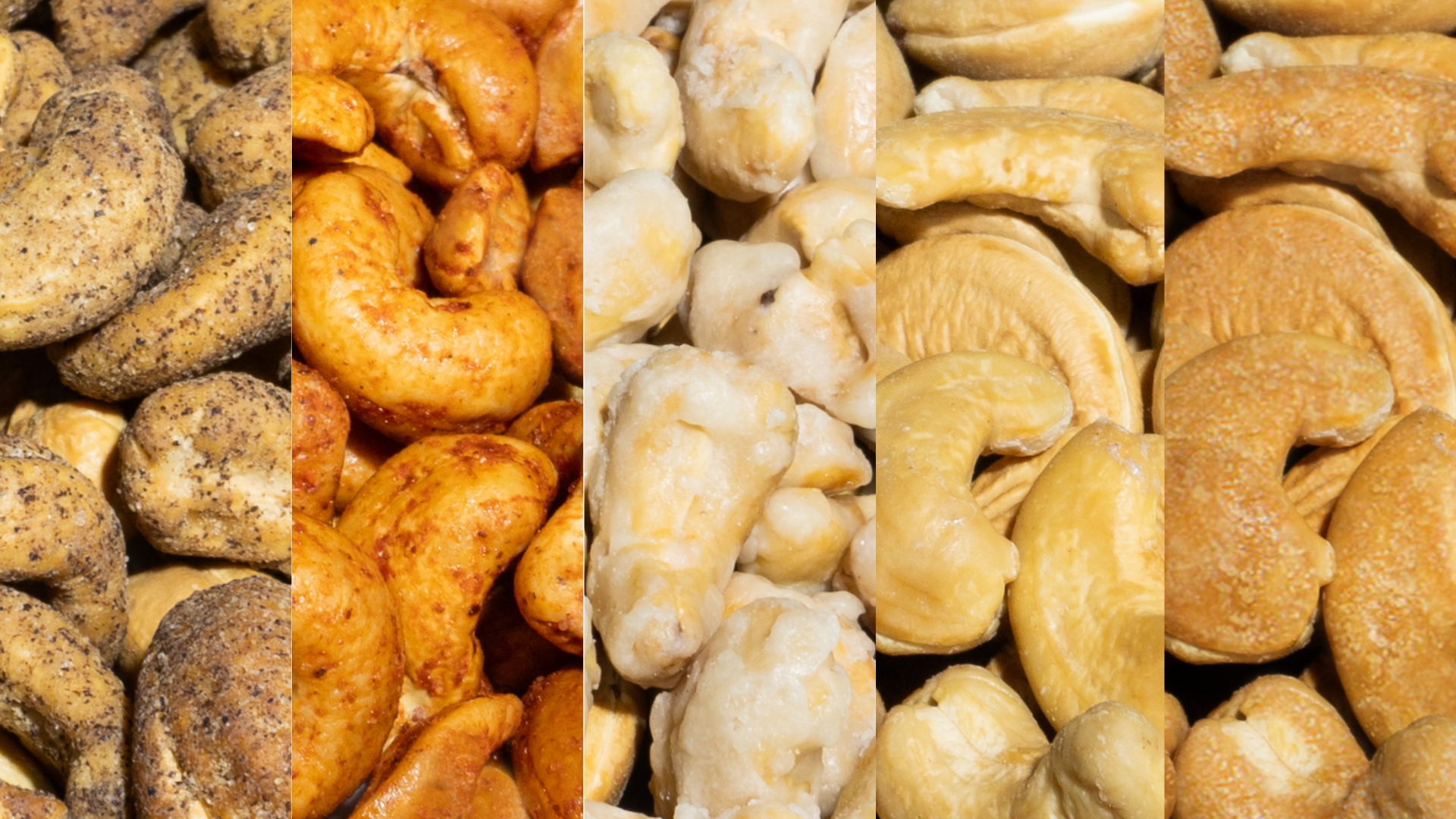
This stage covers roasting, flavouring, seasoning, texture, and appearance, BioValley's value-added line already includes several flavour formats (see the roasted and flavoured cashew range), and new flavour or format requests go through the same development-and-sample cycle: a production sample is roasted and shipped for buyer approval before any packaging or bulk commitment is made.
4. Choose Custom Packaging
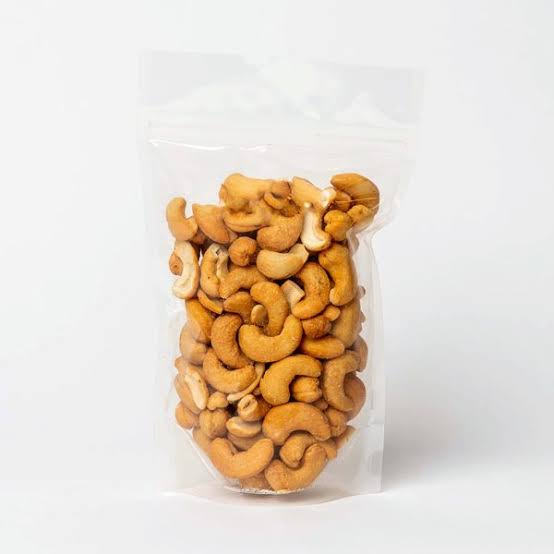
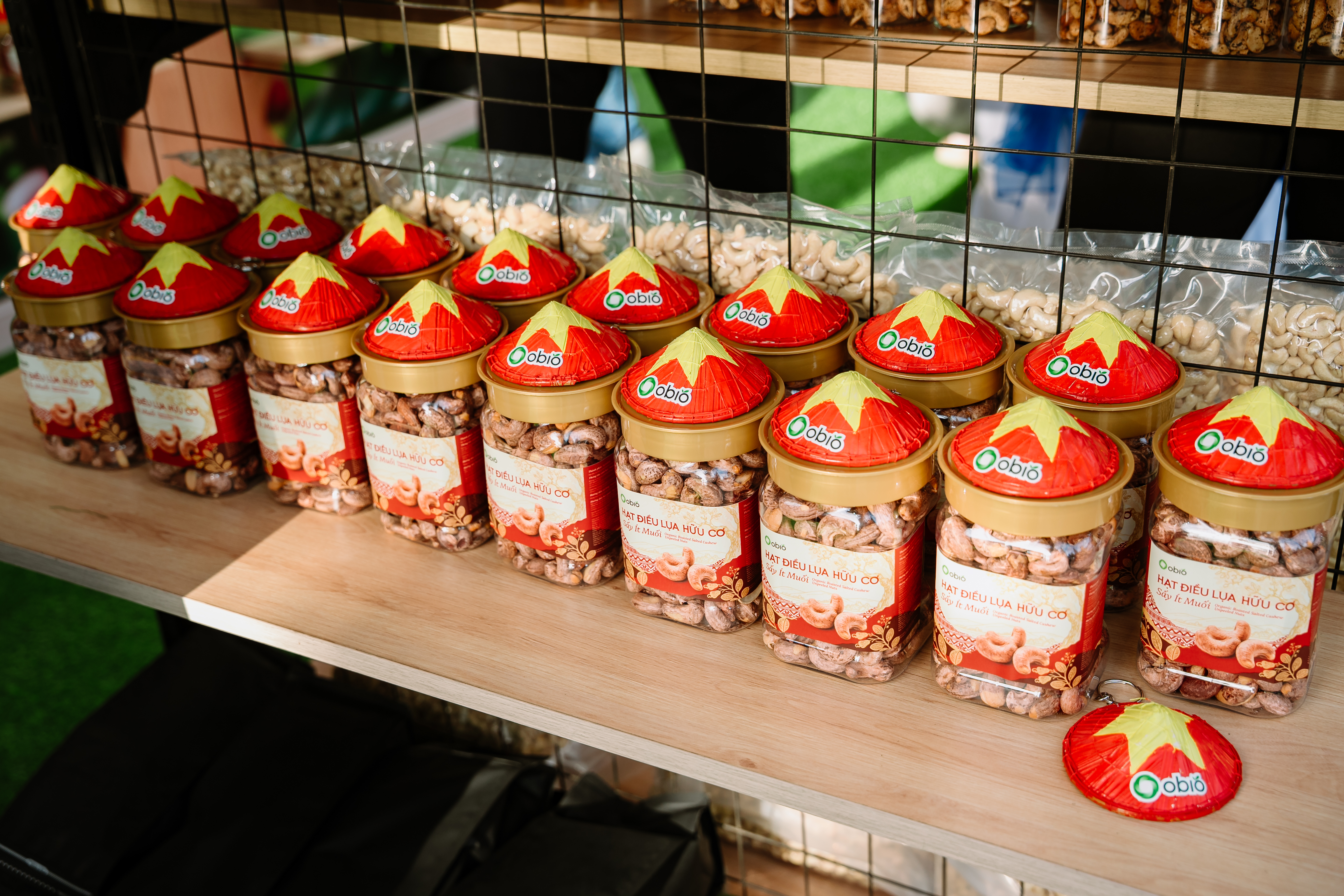
Common private label packaging formats include pouches, jars, cans, vacuum-sealed bags, and bulk formats for foodservice buyers. Beyond format, buyers should confirm with their manufacturer:
- Pack size and material
- Barrier properties and shelf-life requirements
- Print/label dimensions and barcode placement
- Language and destination-market packaging requirements
5. Prepare Your Brand and Label
The buyer typically supplies: brand logo and guidelines, product name, ingredient listing, net weight, nutrition information, country of origin, relevant certification claims, storage instructions, best-before information, barcode, and importer/distributor information where the destination market requires it.
Exact labelling requirements depend on the destination market and the specific product formulation, this isn't something a manufacturer can give blanket advice on, and buyers should confirm their label copy against the relevant regulator (for example, US FDA Nutrition Facts formatting or EU Regulation 1169/2011 for the EU) before finalizing artwork.
6. Quality Control and Organic Compliance
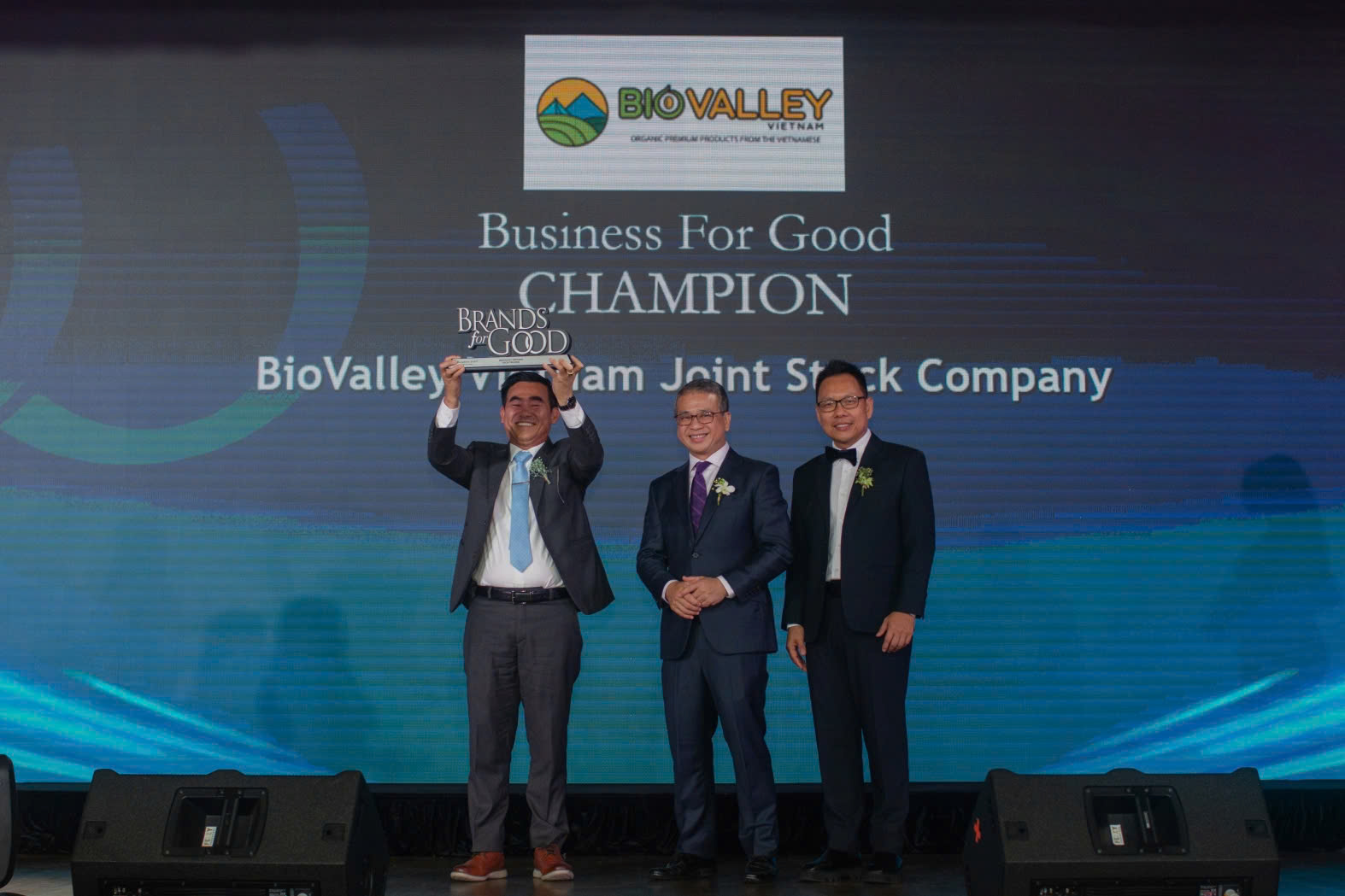
This is where certification scope matters most. BioValley's processing facility is certified to BRC, SMETA-Sedex, and EU/NOP Organic standards, worth phrasing precisely: the facility carries this certification; buyers should still confirm certification scope covers their specific finished product (an added-flavour SKU, for instance) rather than assuming every product line automatically carries every certification the facility holds. See BioValley's organic cashew processing factory page for the facility's full certification and process detail.
7. Production, Packaging, and Delivery
Once the specification, sample, and packaging artwork are approved, the order moves to production, quality control, packaging, documentation, and shipment. Before production starts, buyers should have confirmed: final specification, approved packaging artwork, order quantity, certification requirements for the destination market, shipping terms, required export documentation, and delivery schedule. Exact MOQ and lead time vary by product and order volume, confirm these directly with BioValley's team as part of the quotation.
What Can You Customize With a Private Label Cashew Manufacturer?
| Element | Possible customization |
|---|---|
| Cashew grade | W240, W320, W450, WS, LP |
| Product type | Raw, roasted, flavoured |
| Flavour | Per product development brief |
| Pack size | Per project |
| Packaging format | Pouch, jar, can, vacuum bag, bulk |
| Branding | Buyer's own brand |
| Labelling | Destination-market specific |
| Positioning | Organic, foodservice, specialty retail |
| Format | Retail-ready or bulk |
Anything not confirmed in this table, exact MOQ, lead time, or per-unit pricing, is set per project and should be confirmed directly with BioValley's team, not assumed from this guide.
What Should Buyers Ask Before Choosing an OEM Cashew Manufacturer?
- Does the organic certification cover the specific product and facility, or just the raw kernel?
- Where is the cashew sourced, and can that be traced?
- Which cashew grades are available, and in what volumes?
- Can flavour and format be customized to a buyer's spec?
- What packaging formats does the manufacturer support?
- Can the manufacturer produce fully private-label, branded packaging?
- What food safety and quality standards does the facility hold?
- What documentation is provided with each shipment?
- Can the manufacturer meet the destination market's labelling and import requirements?
- Are samples available before committing to a production run?
- What information does the manufacturer need to issue a quotation?
- What are the MOQ and lead time for a first order?
Final Considerations
Private label organic cashew manufacturing works best as a defined sequence rather than an open-ended back-and-forth: confirm the spec, choose the grade, develop and approve a sample, finalize packaging and labelling, verify certification scope against your actual product, then move to production. A manufacturer that can walk you through each of these stages clearly, rather than jumping straight to a quote, is generally the one worth building a longer-term private label relationship with.
Ready to discuss a private label organic cashew project?
Frequently Asked Questions
What is private label cashew manufacturing? It's the process of having cashew products manufactured to your specification and sold under your own brand, as opposed to buying an existing branded product (white label) or bulk raw material for your own further processing.
Can I sell cashews under my own brand? Yes — this is exactly what private label manufacturing enables. The buyer defines the product specification, and the manufacturer produces and packages it under the buyer's brand.
What is the difference between OEM and private label cashews? The terms overlap and usage varies by supplier, but generally OEM/contract manufacturing implies broader customization of formulation and process, while private label refers to production against an agreed spec under the buyer's brand. Confirm the specific scope with your manufacturer rather than assuming a fixed definition.
Can organic cashews be custom packaged? Yes, provided the packaging materials and process don't compromise the organic certification scope. Confirm packaging-specific certification requirements with your manufacturer before finalizing artwork.
What cashew grades are available for private label products? Common grades include W240, W320, W450 (whole kernels of varying size), WS (white halves), and LP (large pieces) — each suited to different product applications rather than one being universally best.
Can a Vietnamese manufacturer produce flavoured organic cashews? Yes — BioValley's added-value range already includes multiple roasted and flavoured formats, and new flavour development follows the same sampling and approval process as a standard private label order.
What information should I provide when requesting an OEM cashew quotation? Organic certification requirement and target market, cashew grade, flavour/roast preference, target packaging format, expected order volume, and rough timeline — the more complete the brief, the faster and more accurate the quote.
How do I choose an organic cashew manufacturer in Vietnam? Verify the certification scope actually covers your product (not just the raw kernel), confirm traceability back to the farm source, review available grades and customization options, and request a sample before committing to a production run.