

Organic Cashew Samples: A Checklist for Confident Buying
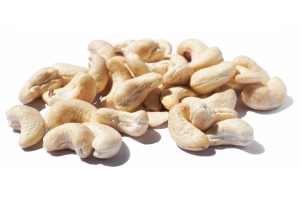
Organic cashew samples give buyers an opportunity to assess a product before committing to a bulk order. For importers, food manufacturers and repackers, that assessment needs to answer a practical question: will these kernels meet the agreed specification and perform as required in your operation? Appearance matters, but it is only one part of the decision. Grade consistency, application performance, test results and organic documentation all contribute to a useful evaluation.
The strongest sample reviews produce clear purchasing requirements. Rather than recording only whether a sample looks or tastes good, buyers should identify what was assessed, what evidence supports the findings and what remains to be confirmed. This guide explains how to organise that process when sourcing organic cashews from BioValley Vietnam.


Key Insights
Start with an agreed specification so every sample is assessed against the same requirements.
Confirm what the sample represents: a general product offering, a development trial or an identified commercial lot.
Review physical quality and application performance separately from laboratory testing and organic verification.
Record observations consistently to make comparisons between suppliers meaningful.
Connect sample approval to the commercial specification and shipment verification arrangements.
Establish What the Sample Represents
Before opening the pack, record the supplier, product description, grade, sample reference and date received. Note any lot information, packing date or handling instructions provided, and check whether the sample matches your request. This is particularly useful when comparing several grades or product formats, because findings can easily become disconnected from the material being assessed.
Ask whether the sample illustrates the supplier’s usual product or has been drawn from a particular lot intended for your order. Both can support purchasing decisions, but they serve different purposes. A general sample helps you assess a proposed product, while a lot-linked sample needs a documented relationship to the shipment. Clarifying this early prevents approval from being interpreted more broadly than the evaluation supports.
How to Evaluate Organic Cashew Samples
1. Compare Size and Grade with Your Specification
Assess the sample against the grade you requested, using a consistent method and quantity across comparisons. For whole kernels, review size distribution and uniformity; for splits or pieces, confirm the agreed format and sizing requirements. Avoid judging the entire sample from a few selected kernels, as this may overlook variation that matters during production or repacking.
If you are buying W320, use the agreed count and quality requirements alongside our organic W320 cashew specifications. Formal grading methods are available in the Association of Food Industries’ cashew specifications. An initial sales sample can support product comparison, but formal compliance assessment requires suitable sampling and the applicable evaluation method.
2. Review Colour and Visible Characteristics
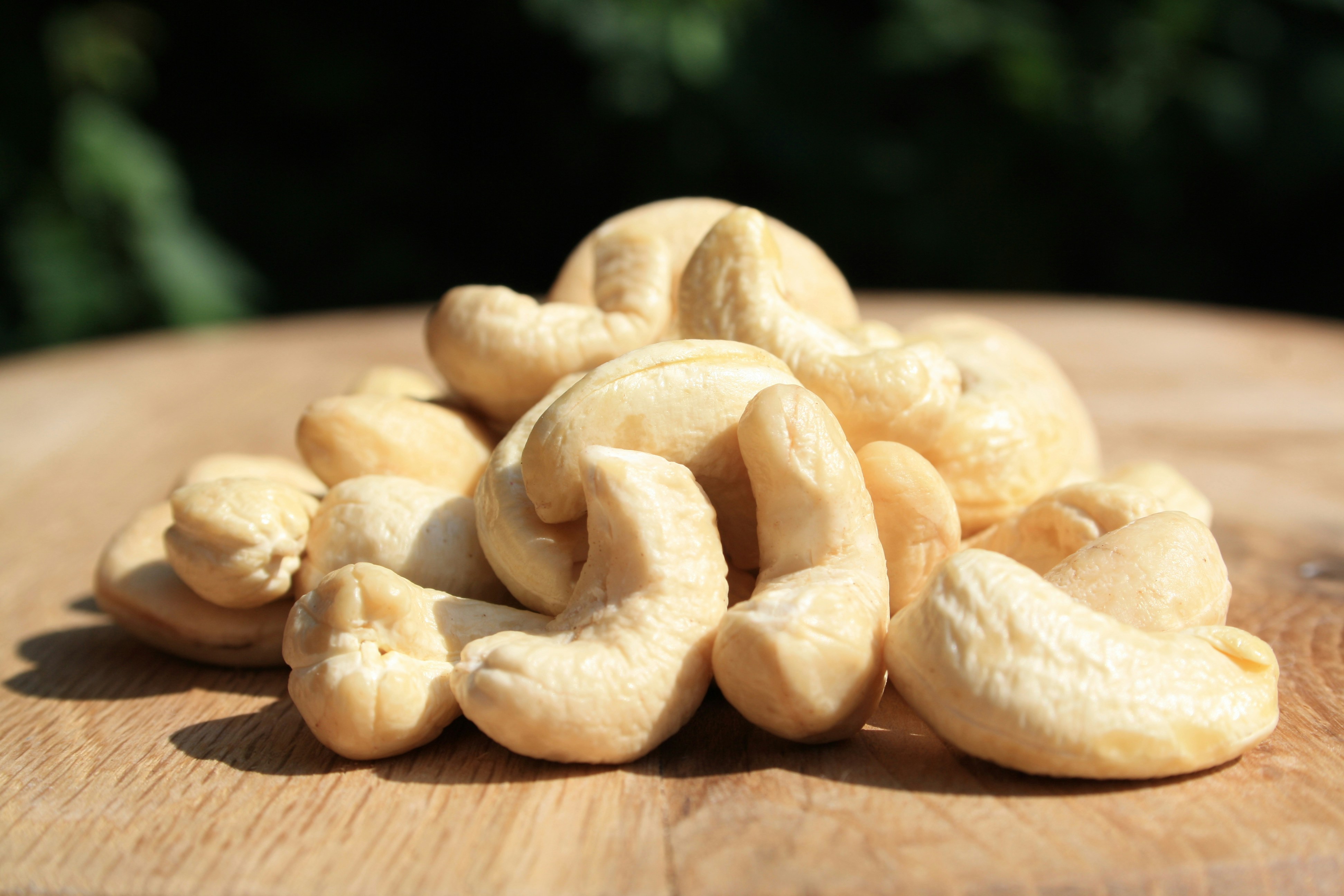
Arrange the kernels on a clean inspection surface and compare samples under consistent lighting. Record colour variation, breakage, remaining skin, surface marks and any other visible concerns. Photographs taken under the same conditions help colleagues review the findings and give the supplier a clear reference when discussing differences.
Interpret observations against the requested quality category and agreed acceptance limits. A characteristic that matters for a premium retail presentation may have a different significance in a manufacturing application. Where your team reports defect percentages, record the quantity assessed, calculation basis and method. Keep informal observations clearly distinguished from measured inspection results.
3. Assess Performance in the Intended Application
Evaluate the product in the way your business expects to use it. A snack manufacturer may need a controlled roasting trial, a bakery may assess distribution and texture in a recipe, and a repacker may prioritise presentation and handling. Define the trial conditions before comparing samples so differences in equipment, recipes or processing do not obscure differences between products.
Record specific findings rather than broad comments such as “good quality.” Note the process used, the resulting appearance and the characteristics important to your finished product. Sensory evaluation should follow your quality procedure and should not be treated as proof of food safety. For ingredient applications, our roasted cashew pieces guide provides additional context on choosing a suitable format.
4. Verify Moisture and Relevant Testing
Texture can prompt a question about moisture, but it cannot establish an accurate moisture result. Request the agreed limit, measurement method and relevant test evidence. When comparing suppliers, check that results use comparable methods and reporting units so the comparison is meaningful.
Your quality team should define any additional testing required for the product, destination market and intended application. Review the report’s sample or lot reference, testing date, method and laboratory details. Evidence from another lot may help explain the supplier’s quality programme, but it does not automatically verify the sample or goods you intend to purchase.
5. Review Organic Documentation
Organic status cannot be established by examining or tasting the kernels. Request the current documentation relevant to the product and destination market, and confirm how it relates to the proposed supply. The review should identify the certified operator, relevant scope and traceability information rather than relying solely on a logo shown in a catalogue.
For roasted or flavoured samples, verify the actual product being considered. Documentation supporting raw kernels should not automatically be assumed to cover every finished SKU. Keep the documentation review alongside the physical evaluation, with any outstanding questions clearly recorded before the purchasing decision.
6. Check Sample Packaging and Handling Information
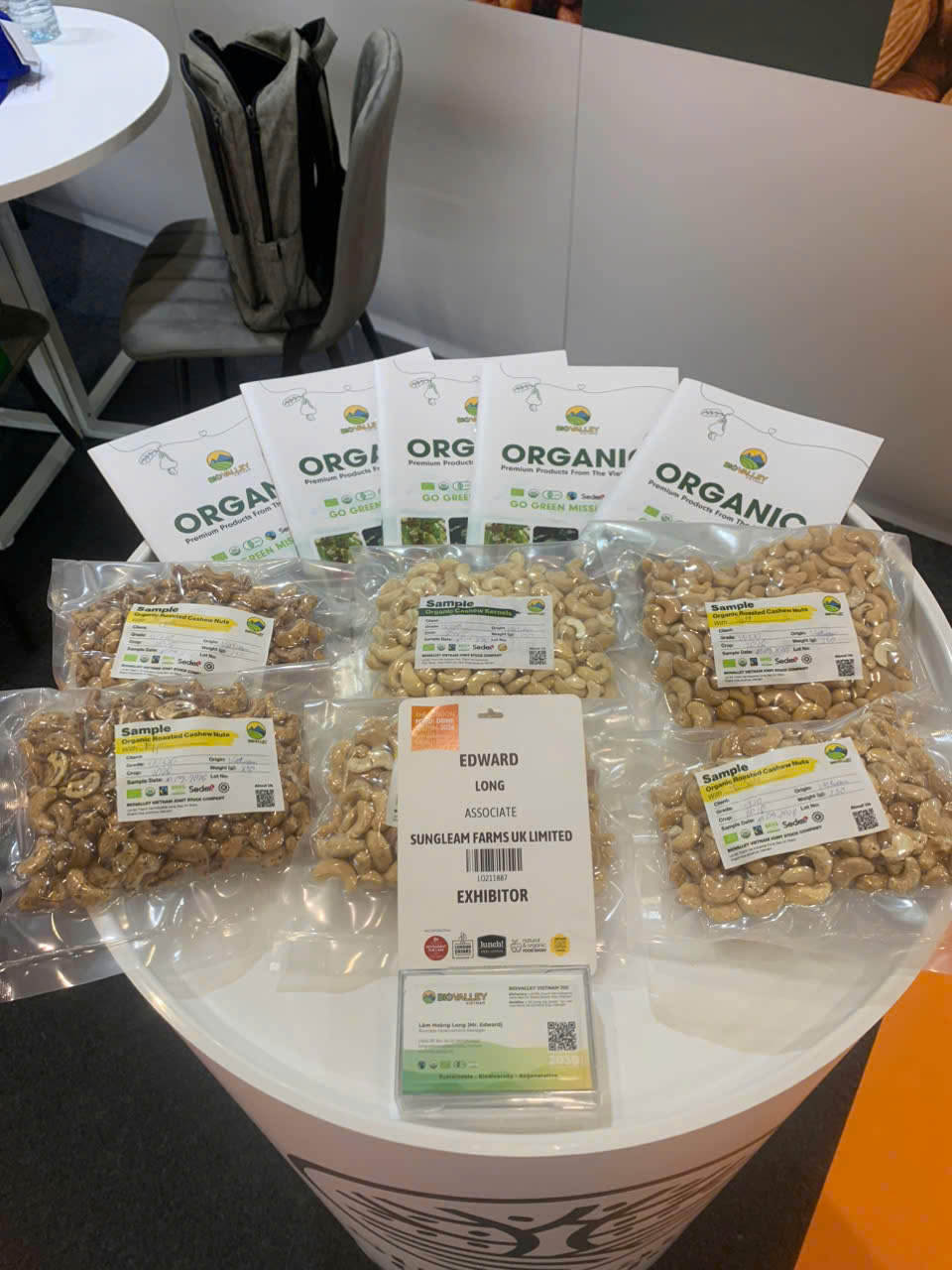
Inspect the sample pack and note its condition on arrival. Record damaged seals, punctures or other concerns that could affect the evaluation, and follow the supplied handling instructions. If the packaging has been compromised, discuss the issue with the supplier before treating the contents as a reliable basis for comparison.
Also establish whether the sample packaging matches the proposed commercial format. A small evaluation pouch may be suitable for sending a sample without demonstrating how a bulk bag will perform in your operation. Confirm commercial pack weight, material, carton configuration and storage instructions separately, particularly where your team will use only part of a bag at a time.
7. Document Approval and Outstanding Requirements
Finish the review with a written decision linked to the sample reference and specification. Record what was accepted, what requires clarification and whether another trial or additional evidence is needed. A sample may perform well in a recipe while its documentation review remains incomplete; those findings should remain separate.
Carry the agreed requirements into the commercial order. Confirm the specification, any retained reference samples, pre-shipment checks and receiving criteria. Sample approval helps establish expectations, while an agreed verification process addresses the goods delivered. For repeat orders, keep the approved specification available so future comparisons use the same basis.
Organic Cashew Sample Evaluation Checklist
Use this checklist to organise the review and make supplier feedback more precise.
| Check | What to establish | What to record |
|---|---|---|
| Sample identity | Product, grade and relationship to the proposed supply | Sample reference, receipt date and relevant lot details |
| Size and grade | Match with the requested specification | Assessment method and findings |
| Appearance | Colour, uniformity and visible concerns | Photographs and comparison with agreed requirements |
| Application performance | Suitability for the intended process or recipe | Trial conditions and results |
| Testing | Relevant measurements and analytical evidence | Methods, dates and sample or lot references |
| Organic verification | Documentation relevant to the actual product | Documents reviewed and unresolved questions |
| Packaging | Sample condition and proposed commercial format | Arrival observations and packaging requirements |
| Approval | Decision and conditions for ordering | Written outcome and verification arrangements |
Requesting Samples from BioValley Vietnam
A useful request explains the project behind the sample. Provide your destination market, intended application, preferred grade or SKU, expected order quantity and any specification you already use. If you intend to run a production trial, explain the process and the characteristics you need to assess so the discussion can focus on a suitable product.
Explore BioValley’s organic cashew kernels for whole, split and piece formats, or our organic roasted and flavoured cashews for finished-product requirements. Discuss sample availability, supporting documentation and the relationship between the evaluation sample and proposed commercial supply with the team.
Discuss Your Organic Cashew Sample Requirements
A well-recorded evaluation gives buyers and suppliers a shared basis for the next decision. It connects product observations, application trials and supporting evidence with the requirements that will carry into the order.
Contact BioValley Vietnam through our organic cashew kernels page to discuss sample arrangements. Share your destination market, intended application, preferred grade and expected quantity, together with the quality and documentation requirements you want to review.
Frequently Asked Questions
What should I check when evaluating organic cashew samples?
Confirm sample identity, grade, appearance and suitability for your application. Review relevant test results and organic documentation, then record any requirements still outstanding before approval.
Does an approved sample guarantee the entire shipment?
No. Approval records the findings for the material evaluated. Agree the commercial specification, sampling arrangements and shipment checks separately.
Can I confirm organic status through appearance or taste?
No. Organic status requires relevant documentation and traceability. Physical and sensory evaluation assess product characteristics rather than certification.
Can texture tell me the moisture content?
Texture may indicate a concern, but it does not provide an accurate measurement. Request results obtained using the agreed test method.
Should raw and flavoured cashews use the same evaluation criteria?
They can share a basic review process, but the detailed criteria should reflect the product. Roasted and flavoured samples may need additional assessment of processing, seasoning, formulation and finished-product performance.