

How to Store Organic Cashew Nuts: Keep Them Fresh for Longer
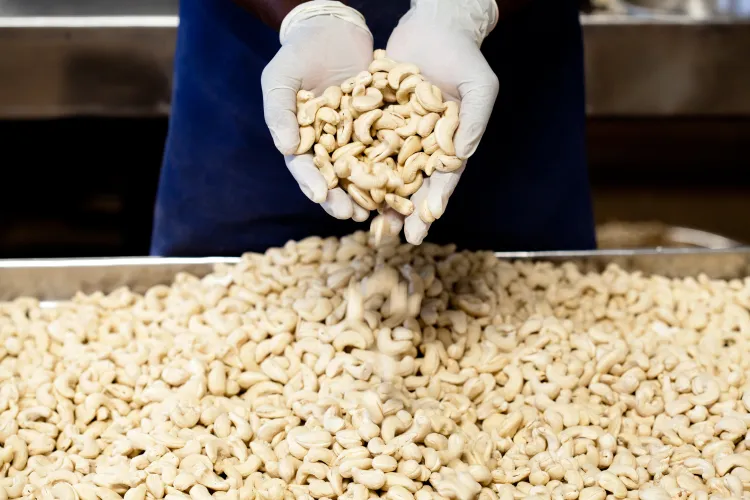
How to Store Cashew Nuts: Shelf Life, Temperature and Signs of Deterioration
The best way to store cashew nuts is to keep them in tightly sealed, food-grade packaging, protected from heat, moisture, direct sunlight and strong odours. Refrigeration can help preserve quality during longer storage, provided the packaging prevents moisture exposure and condensation is managed before opening.
How long cashews last depends on their condition, processing, packaging and storage history. Raw kernels, roasted cashews and flavoured products can have different requirements, while opening a package changes the protection it provides.
At BioValley Vietnam, our organic cashew range serves buyers with different applications, from ingredients for manufacturing to roasted and flavoured products. This guide explains the storage principles, published shelf-life benchmarks and warning signs to understand before buying, opening or storing cashews.
Key Insights
Follow the storage instructions for the actual product rather than applying one shelf-life figure to every cashew.
Cool conditions and effective protection against moisture help preserve quality.
Unopened shelf life and handling after opening are separate considerations.
Organic certification does not automatically give cashews a longer shelf life.
Unusual odours, mould, pests, moisture damage and compromised packaging require attention.
A normal appearance or smell cannot establish food safety.
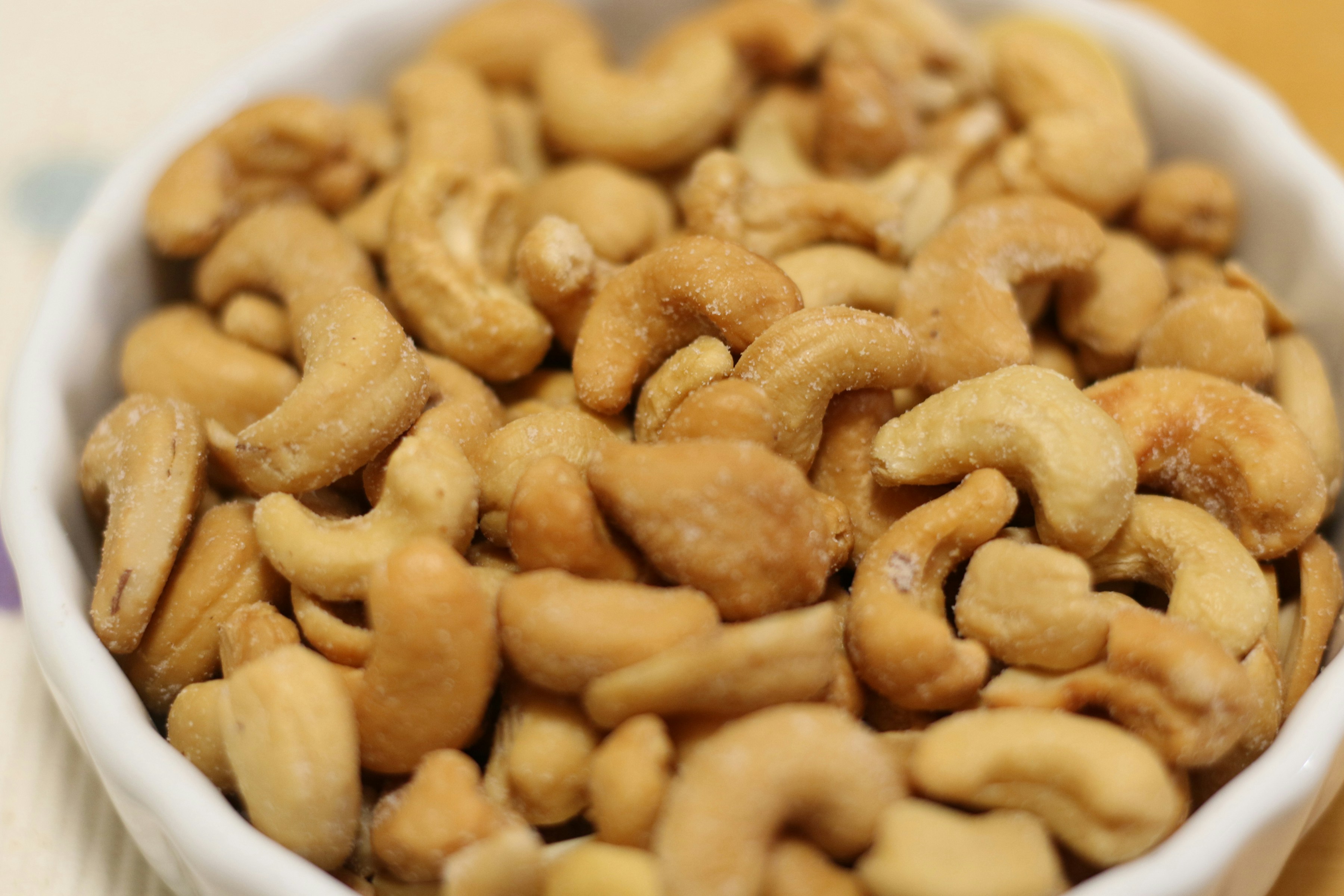
What Is the Best Temperature for Storing Cashews?
AFI cites 0–10°C / 32–50°F and 55–70% relative humidity as general optimal storage guidance for tree nuts. These figures provide a planning reference; the product’s approved specification should establish the conditions used for a particular commercial supply.
For businesses, measure the storage environment rather than relying on descriptions such as “cool” or “room temperature.” Conditions near a loading door, roof or heat source may differ from the centre of the room. Keep records appropriate to your quality procedure so any storage interruption can be reviewed.
At home, follow the package instructions and consider refrigeration when keeping cashews for longer or when the surrounding environment is consistently warm. Keep the product securely closed and protected from moisture and odours.
Preventing Condensation After Cold Storage
When cold cashews meet warm, humid air, condensation can introduce moisture. Keep the package closed while it approaches the temperature of the handling area, following the supplier’s instructions, and avoid opening it while moisture could collect on the contents.
For manufacturers and repackers, build this transition into production planning. A large bag moved directly from cold storage to an open working area may need a different handling procedure from a small pack. Agree the method before the product is required on the line.
How to Store Cashew Nuts After Opening
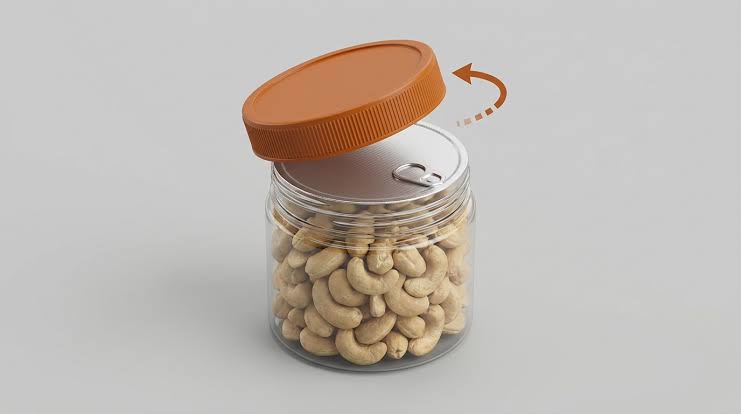
Once a sealed package is opened, its original protective conditions change. Folding or clipping a vacuum bag closed does not restore its original vacuum. Follow any after-opening instructions separately from the unopened shelf-life statement.
Use a clean, dry, food-grade container with a secure closure when transferring kernels. Protect the contents from moisture and strong-smelling materials, and handle them with clean, dry equipment. University of California guidance notes that shelled nuts can absorb moisture and external flavours, making suitable packaging important.
For commercial operations, mark the opening date and retain the lot identification. If one bag is divided between several containers, keep each container linked to the original lot. Avoid repeatedly adding fresh stock to an older batch, as this makes age, rotation and traceability harder to manage.
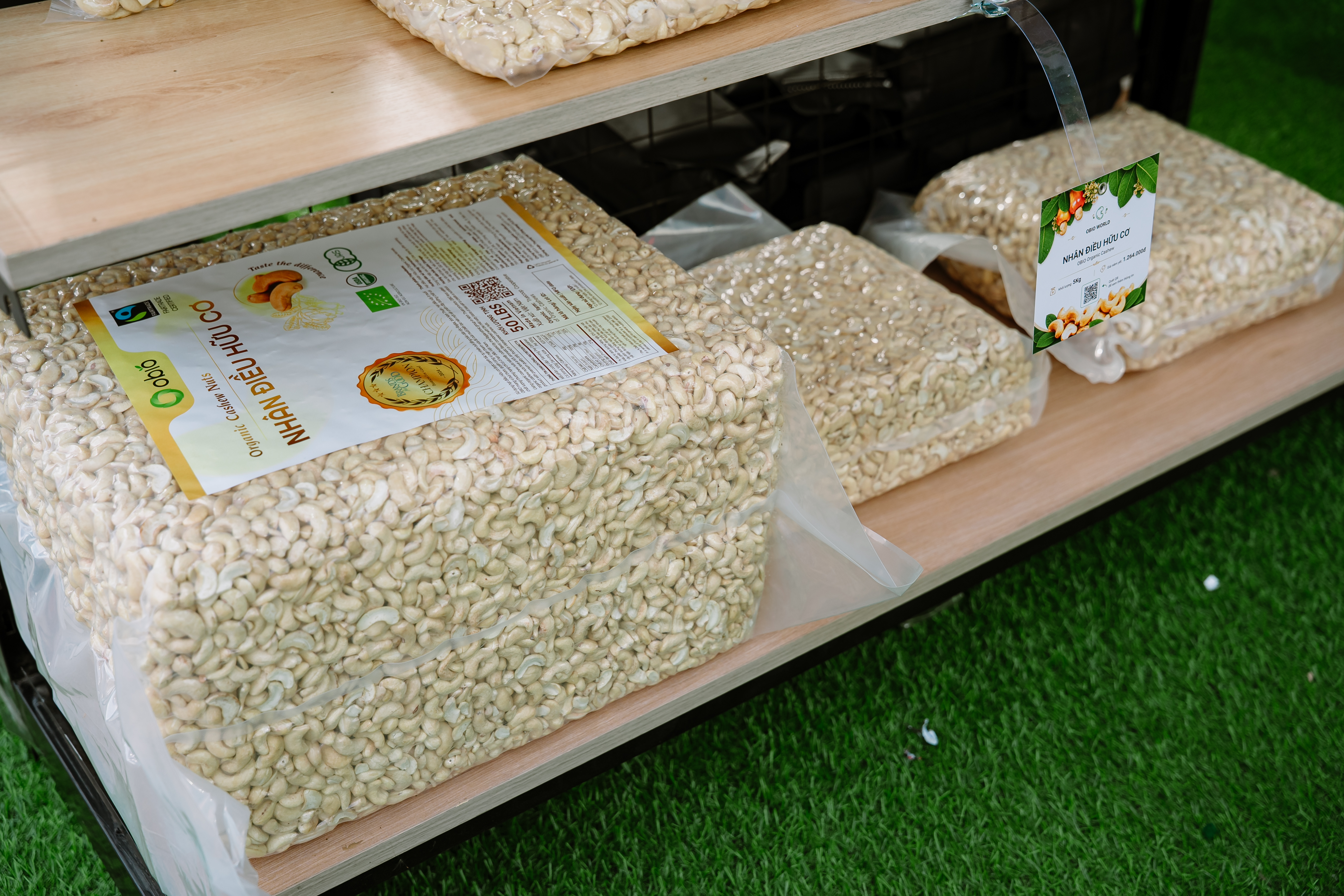
Pack size also affects opened-stock handling. A business using only a small quantity each day may benefit from discussing smaller units instead of repeatedly accessing a large bag. Our bulk organic cashew packaging guide explains the questions to consider when comparing formats.
Do Raw, Roasted and Flavoured Cashews Need Different Storage Plans?
Use the specification for the actual product. Processing, cutting, added ingredients and packaging can change the basis of a shelf-life statement. Instructions for whole raw kernels should not automatically be applied to roasted pieces, honey-coated cashews or another finished snack.
Consider how the product will be used as well as how it arrives. A bakery purchasing cashew pieces needs ingredient-handling instructions for its operation. A distributor purchasing finished packs needs guidance for storing and selling those units. Where the product will be repacked, confirm the suitability of the new packaging and any shelf-life assessment required.
BioValley’s organic cashew kernels and organic roasted and flavoured cashews should therefore be discussed according to the selected grade or SKU, packaging and destination market.
Signs That Cashew Nuts May Be Deteriorating
Compare any change with the product’s expected characteristics. Seasoning, roasting and grade affect appearance and aroma, so an observation needs context. The table below identifies concerns that warrant further assessment.
| Warning sign | What it may indicate | What to do |
|---|---|---|
| Unusual stale or rancid odour | Oil deterioration or another quality issue | Stop using the affected product and assess it |
| Musty odour or visible mould | Suspected fungal growth or moisture damage | Do not consume; isolate commercial stock |
| Unexpected softness or loss of crunch | Moisture exposure or another change in condition | Review packaging and handling history |
| Insects, larvae or webbing | Pest activity | Isolate affected stock and investigate |
| Moisture inside the packaging | Condensation, leakage or moisture exposure | Hold the product pending assessment |
| Broken seals, punctures or lost vacuum | Reduced package protection | Investigate before use |
| Unusual darkening or surface changes | A quality change requiring clarification | Compare with the specification and reference sample |
Rancidity and mould are different concerns. Rancidity involves deterioration of the oils and associated off-aromas or flavours. Mould may involve fungal contamination; the FDA explains that certain fungi can produce mycotoxins and that environmental conditions influence their development.
Do not taste suspect nuts to decide whether they are suitable. Households should discard mouldy or clearly deteriorated product. Businesses should hold affected material while the quality team determines its disposition. Washing, roasting or adding seasoning should not be used as a way to rescue suspect stock.
Can Cashews Look Fresh but Still Have a Safety Problem?
Yes. Sensory checks can identify some quality defects, but they cannot detect every food-safety hazard. University of California guidance distinguishes visible or sensory changes from harmful bacteria and notes that refrigeration and freezing do not eliminate Salmonella.
Storage works alongside appropriate sourcing, processing and handling controls. For commercial buyers, supplier approval, relevant testing, receiving inspection and traceability remain important even when the kernels look acceptable. Our organic cashew sample evaluation guide explains how to separate physical observations from the supporting evidence needed before purchasing.
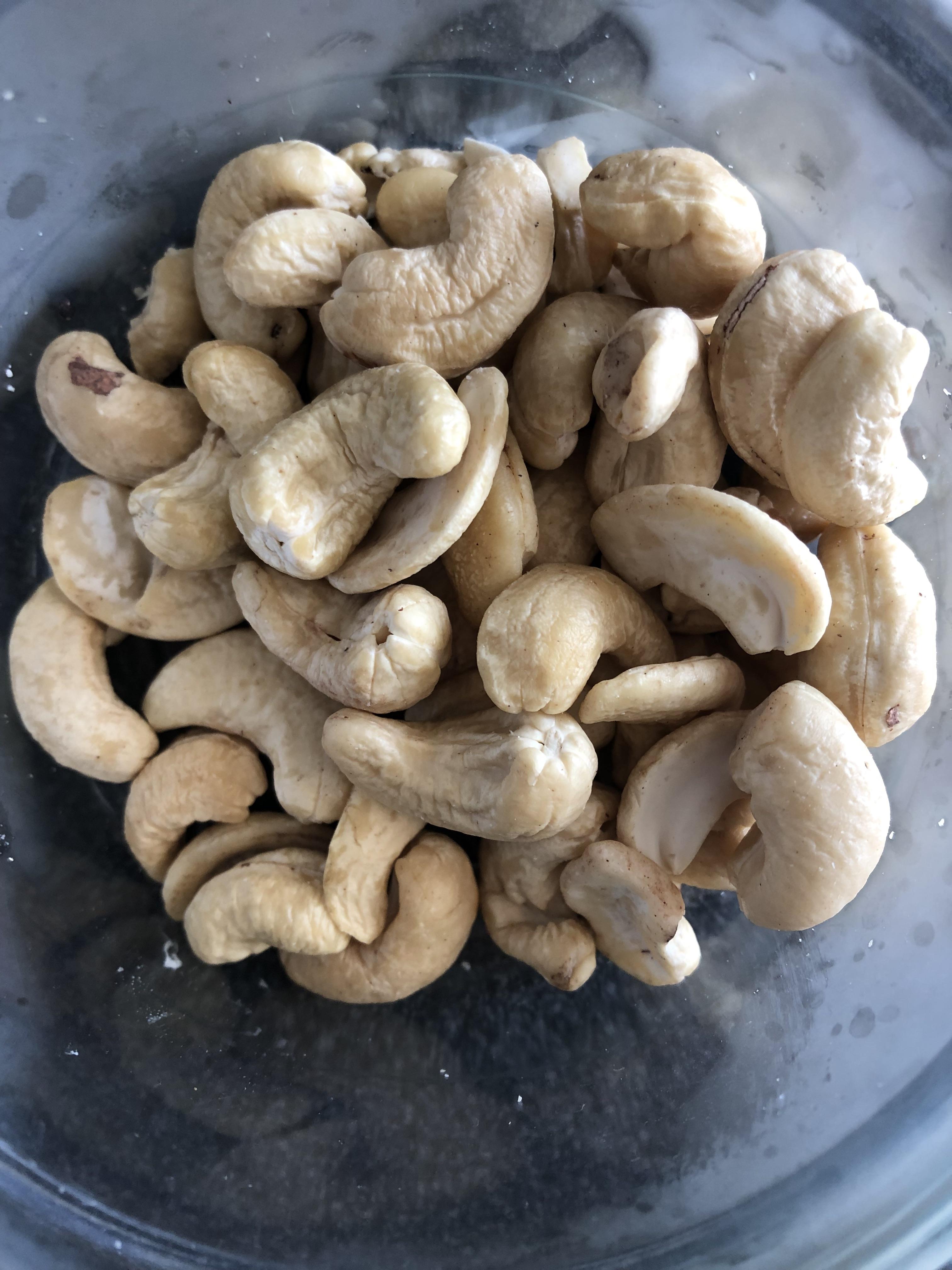
How to Store Organic Cashews
Organic cashews still require suitable temperature, moisture protection, hygienic handling and pest management. Organic status alone does not establish a longer shelf life or remove the possibility of deterioration.
Businesses must also preserve organic identity. USDA guidance addresses preventing the mixing of organic and nonorganic products and contact with prohibited substances. Clearly identified containers, suitable storage arrangements and documented handling procedures can support those requirements.
Retain lot information through opening and repacking. Where organic and conventional products share a facility, staff should be able to distinguish them clearly. Review any proposed pest treatment or other intervention through the relevant quality and organic procedures before use.
A Practical Storage Checklist for Bulk Cashew Buyers
| Stage | Main checks |
|---|---|
| Before ordering | Product specification, storage conditions and after-opening instructions |
| Before delivery | Available storage space and agreed remaining shelf life |
| At receiving | Packaging, dates, lot codes and evidence of damage |
| During storage | Environmental records, pest controls, stacking and stock rotation |
| After opening | Opening date, secure closure and retained lot identification |
| If a concern arises | Product hold, photographs, affected quantities and supplier notification |
If deterioration is suspected, keep affected commercial stock separate from material approved for use. Record the lot, quantity, dates, packaging condition and observed issue, and preserve relevant delivery and environmental records. Contact the supplier with that information so the concern can be assessed against the agreed specification.
Request Product-Specific Storage Information
For a BioValley order, request the current specification for the actual product and packaging you intend to purchase. This allows your team to plan storage, production and distribution around the applicable requirements.
Contact BioValley Vietnam through our organic cashew kernels page. Share your destination market, intended application, preferred grade or SKU, quantity and packaging requirements, and ask for the relevant shelf-life and storage instructions.
Continue Exploring BioValley’s Cashew Buyer Guides
Your storage plan connects with decisions made before ordering. These guides cover the next questions:
Bulk organic cashew packaging: compare pack formats and handling requirements.
Organic W320 cashew specifications: understand the quality requirements to agree with your supplier.
Organic cashew sample evaluation: organise product assessment before a bulk purchase.