
Building a Workplace Empowerment Culture: Lessons From BioValley Vietnam
Introduction
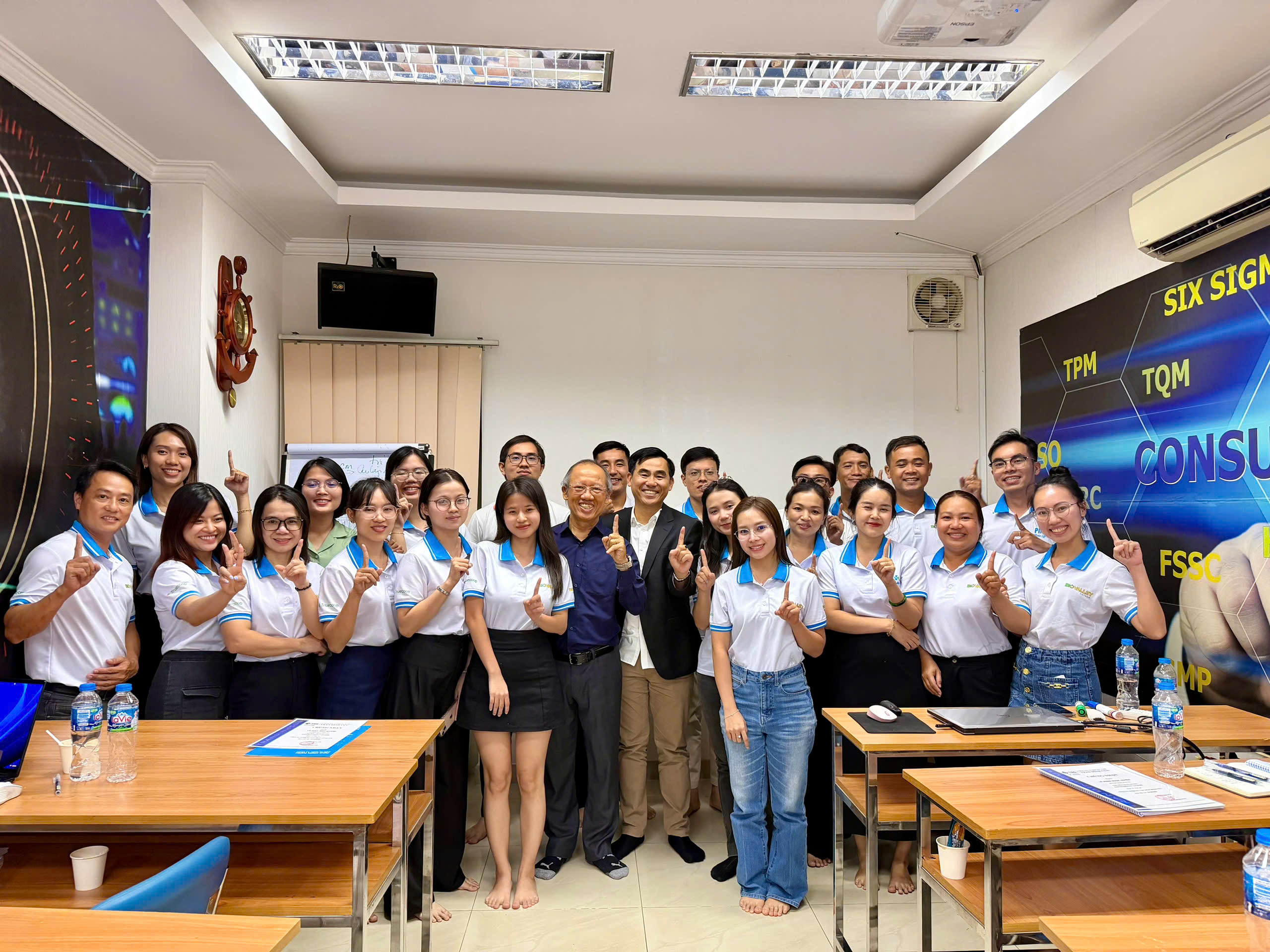
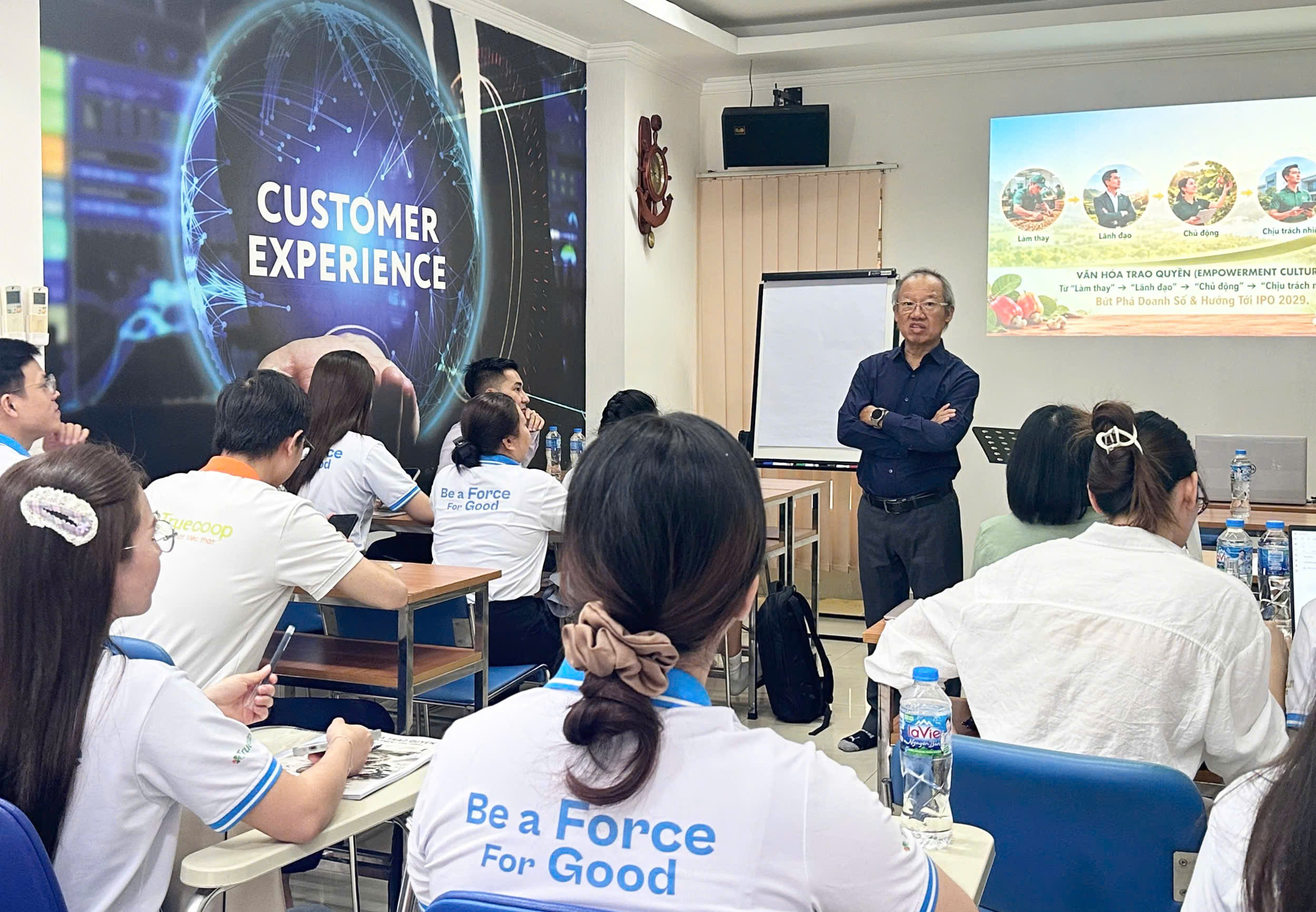
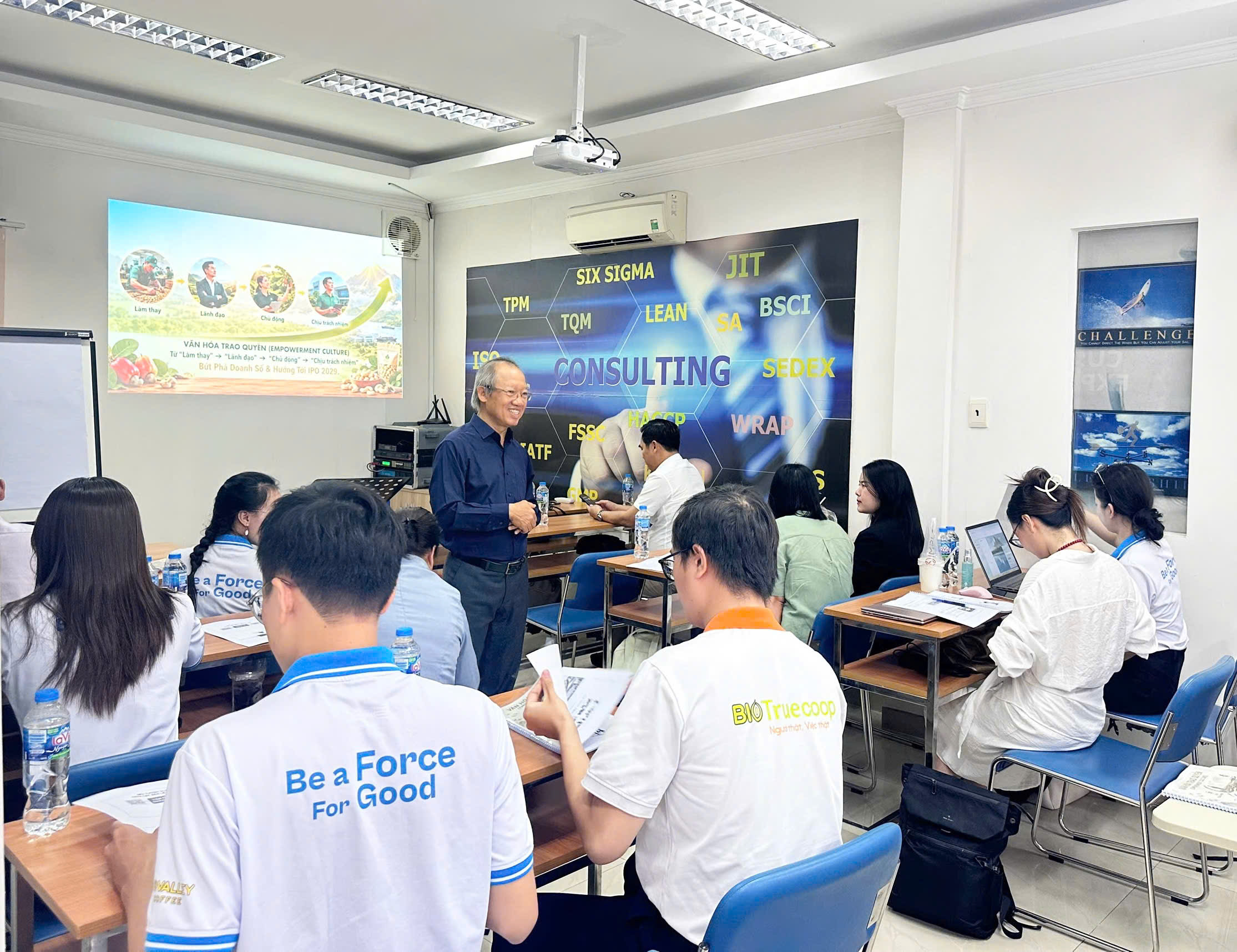
A workplace empowerment culture isn't a soft HR initiative for a food export business, it's an operational lever. Every batch of certified organic cashew or coffee that leaves BioFactory depends on someone, somewhere in the process, having the judgment to catch a problem and the authority to act on it before it reaches a container. That's the practical case behind the Empowerment Culture training BioValley Vietnam's team recently completed, and it's worth setting out in business terms rather than culture-page language.
Key Insights
- Responsibility without authority isn't empowerment, it's added pressure with no lever to act on it, and in a certified export operation, that gap is where quality and compliance risk lives.
- Authority without accountability isn't empowerment either, it's delegation without ownership, which doesn't hold up under a buyer audit or a certification review.
- Learning & Development at BioValley is built around decision-making capability, not just technical skill, relevant across every product line, from raw kernel grading to private label QA sign-off.
- A culture that rewards employees for flagging quality, safety, or operational risk is a direct input into consistent execution across BioValley's organic cashew kernel, roasted and flavoured cashew, and organic coffee lines, not a separate initiative from product quality.
- Founder & CEO Oscar Truong frames the underlying operating philosophy simply: "Learn Every Day. Rise Every Day."
What "Workplace Empowerment Culture" Actually Means in Practice
The phrase gets used loosely, but the practical definition BioValley's training centered on is specific: responsibility should come with authority, and authority should come with accountability. Each half of that sentence does real work.
Giving someone responsibility without the authority to make decisions in their area just adds pressure without giving them the tools to act on it, a common failure mode of "empowerment" initiatives that stop at rhetoric. Giving someone authority without holding them accountable for the outcome removes the discipline that makes ownership meaningful rather than just decorative.
Research on this pattern is fairly consistent: a recent Harvard Business Review analysis on employee ownership found that ownership culture only translates into real engagement and performance gains when it's paired with financial transparency, empathetic leadership, and consistent measurement, not just a stated value on its own.
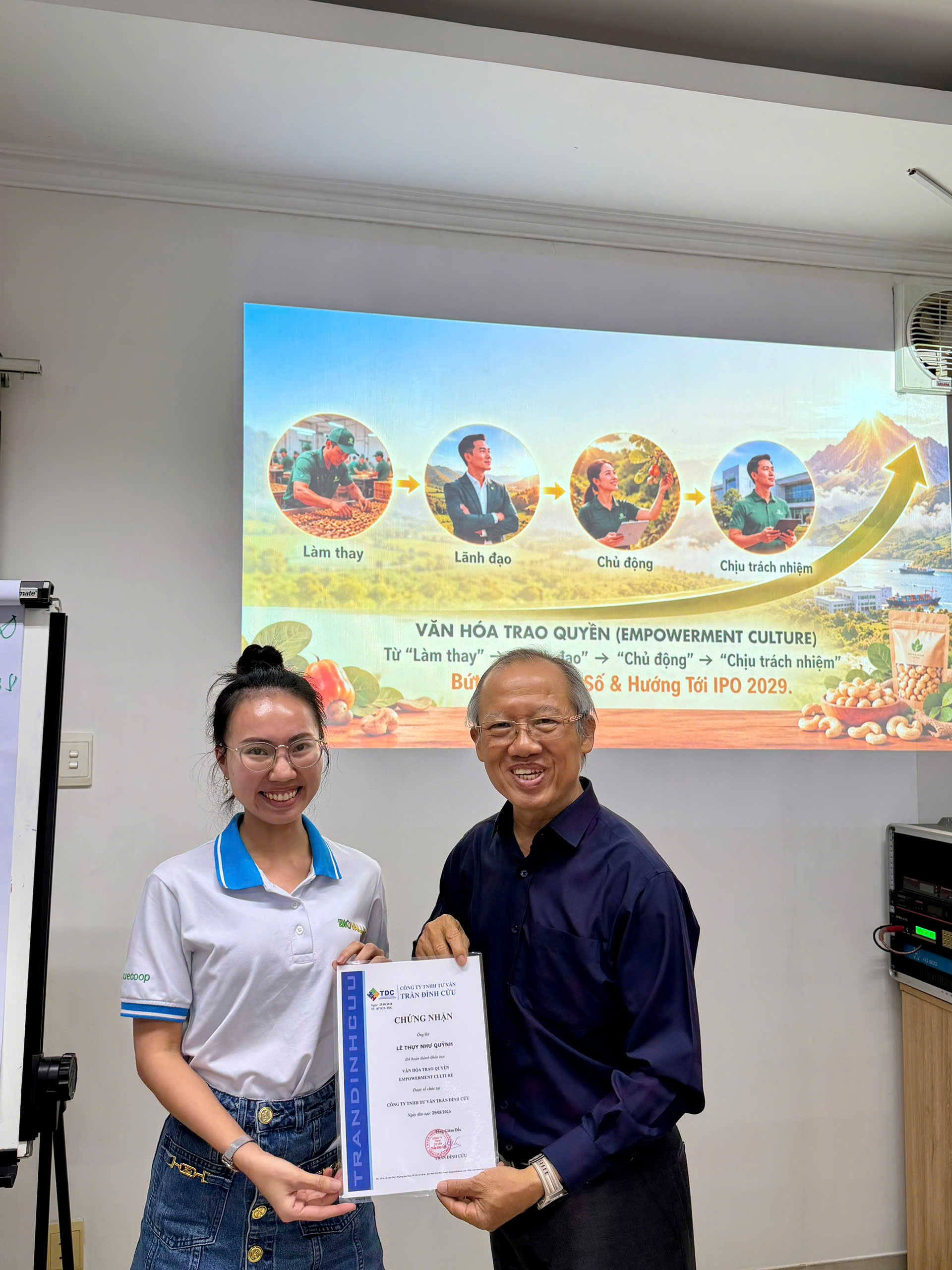
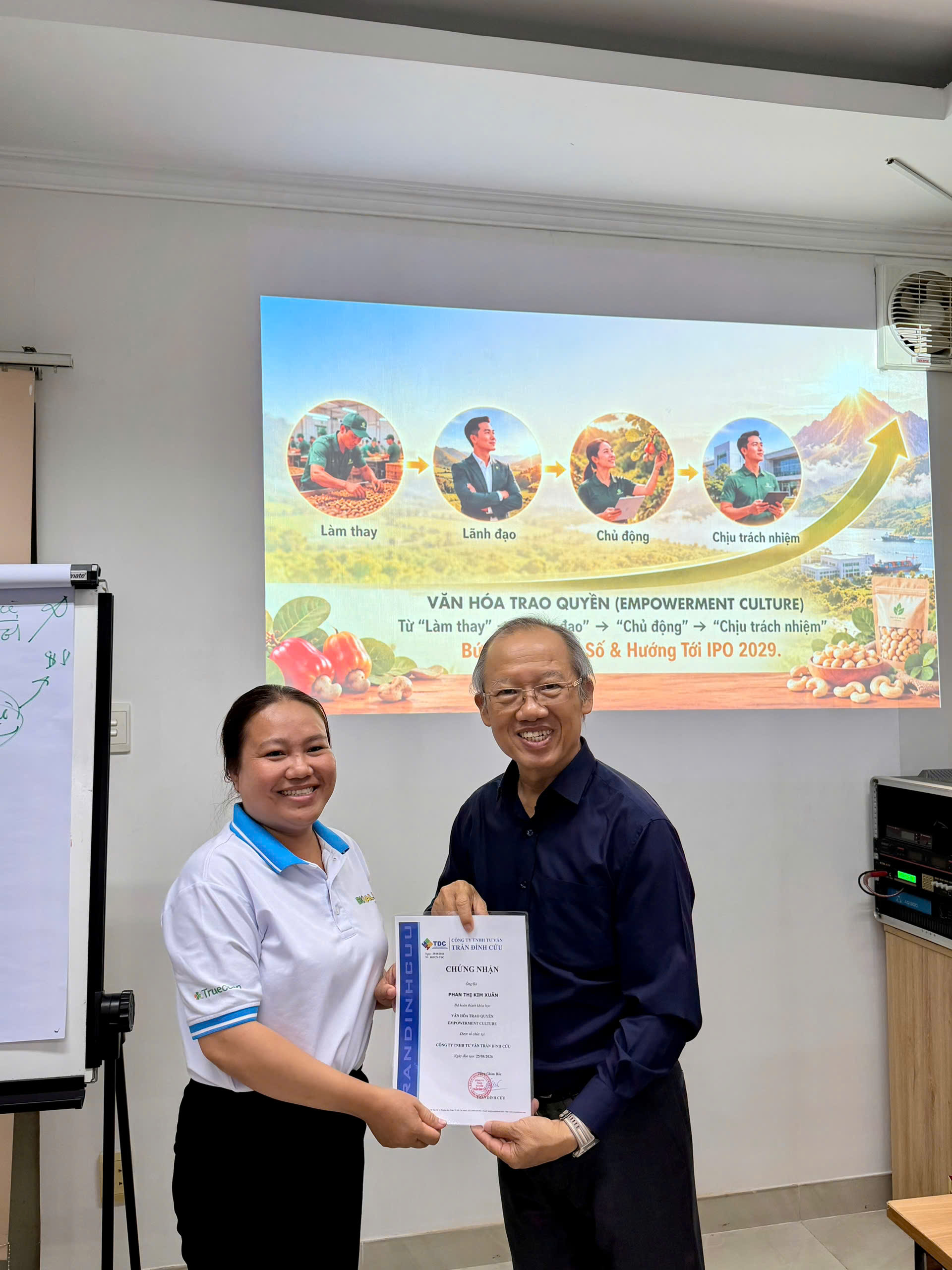
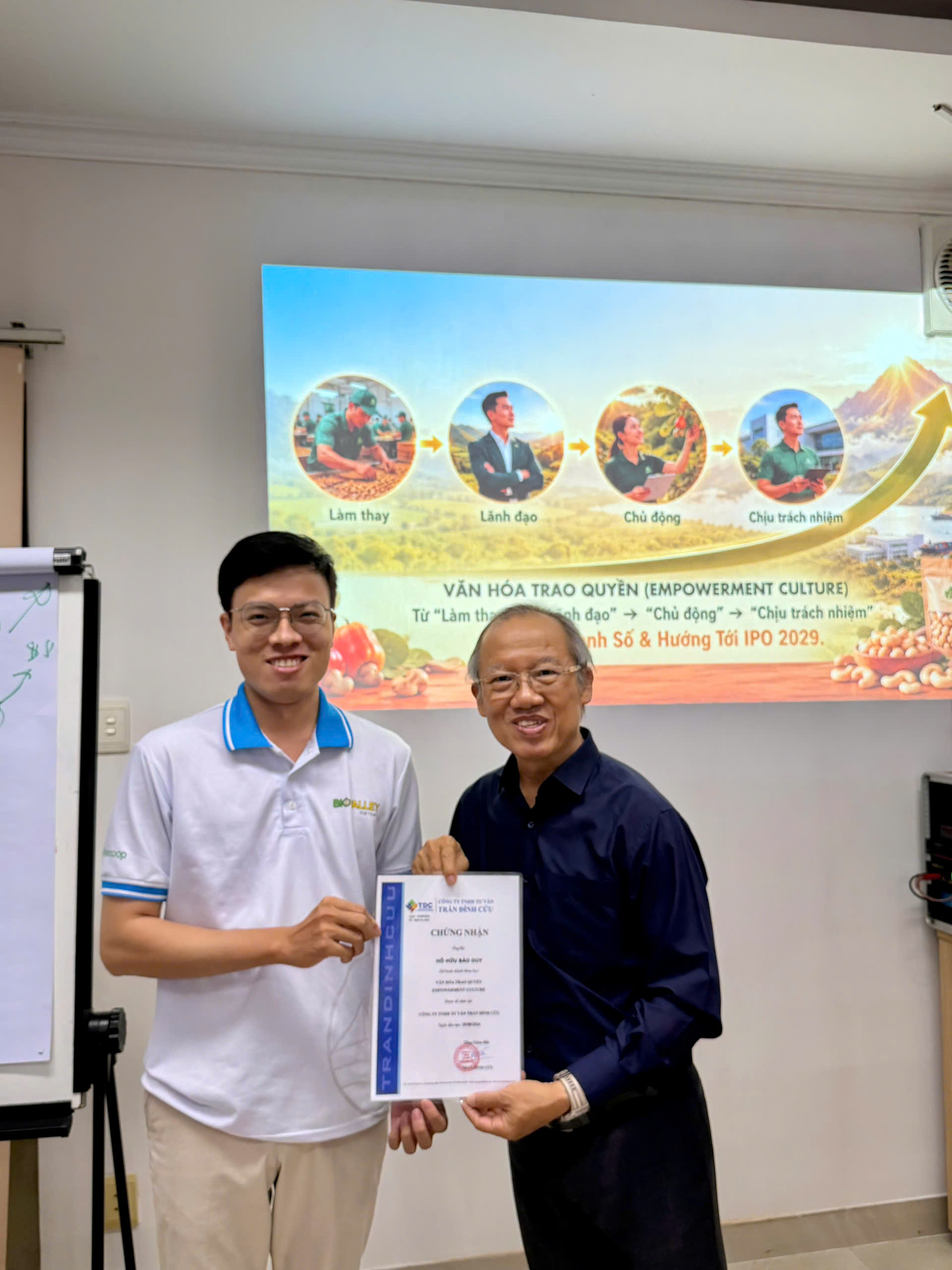
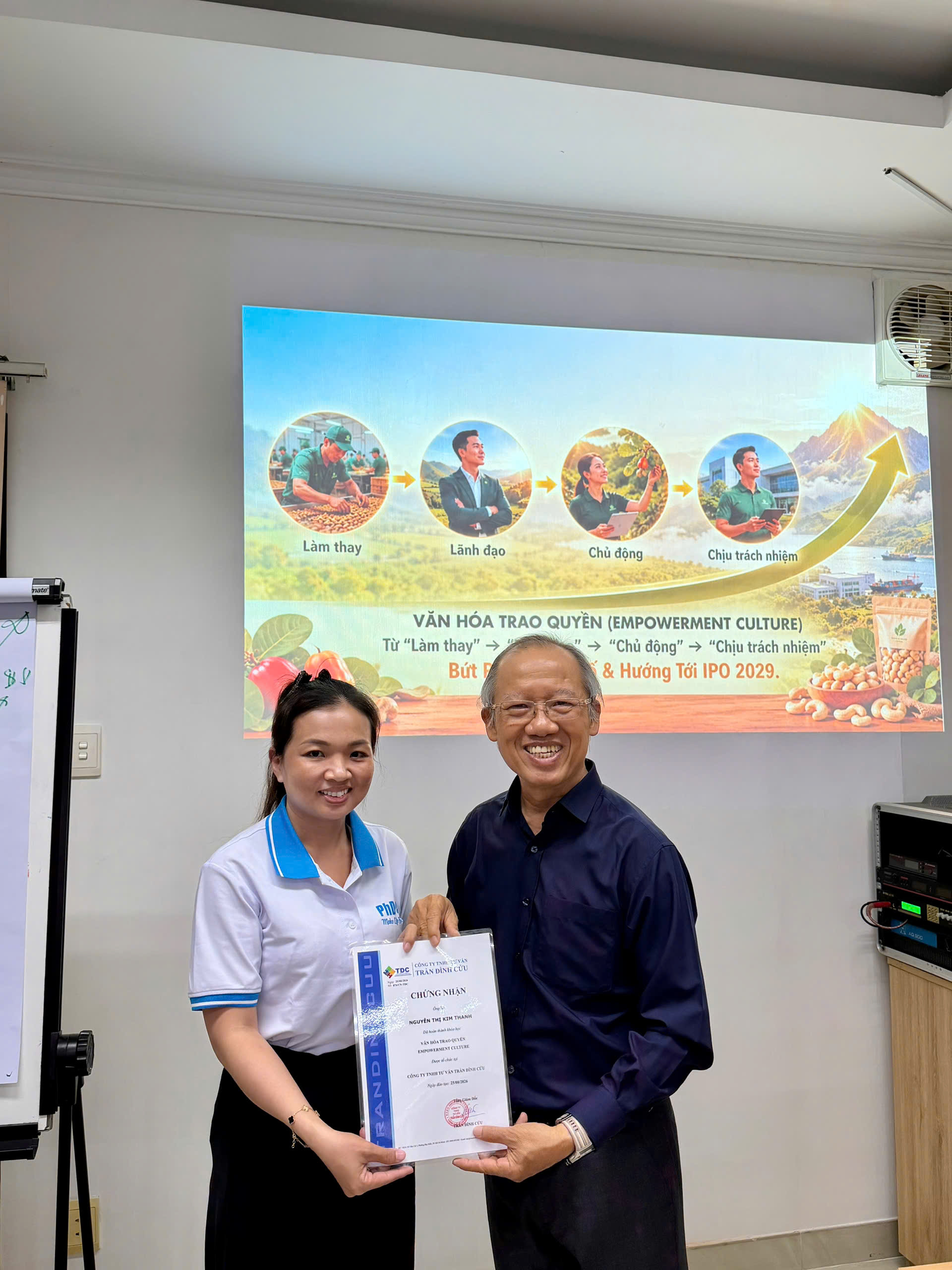
Building an Empowerment Culture Doesn't Mean Deciding Alone
One distinction BioValley's training was explicit about: empowerment isn't the same as isolation. Having the clarity to know your role, the authority to act within it, and the accountability to learn from the outcome doesn't mean every decision gets made solo, it means people know where their decision-making boundary is, and can act confidently within it rather than escalating everything upward by default or overstepping into someone else's scope.
That clarity is also what makes cross-team collaboration work rather than create friction, knowing your own scope makes it easier, not harder, to recognize when a decision genuinely needs another team's input. In a processing operation handling raw kernel intake, roasting and flavouring lines, coffee green bean handling, and private label packaging in parallel, that handoff discipline is what keeps one team's decision from creating a downstream problem for another.
Learning & Development as an Ownership-Building Tool, Not Just a Skills Program
BioValley's framing of L&D deliberately goes beyond skills acquisition: it's positioned as a tool for building people who can think, decide, take ownership, and continuously improve, not simply a checklist of technical competencies to complete.
This distinction matters in practice. A skills-only training program can teach someone how to grade a raw cashew kernel to spec or run a roasting batch to a recipe, while leaving them just as dependent on being told what to do the moment something falls outside that spec. An ownership-building program aims at the decision-making muscle itself, the judgment to know when a batch is within tolerance, when to escalate, and when to hold a shipment, which is a different, and slower to build, capability than the technical skill alone.
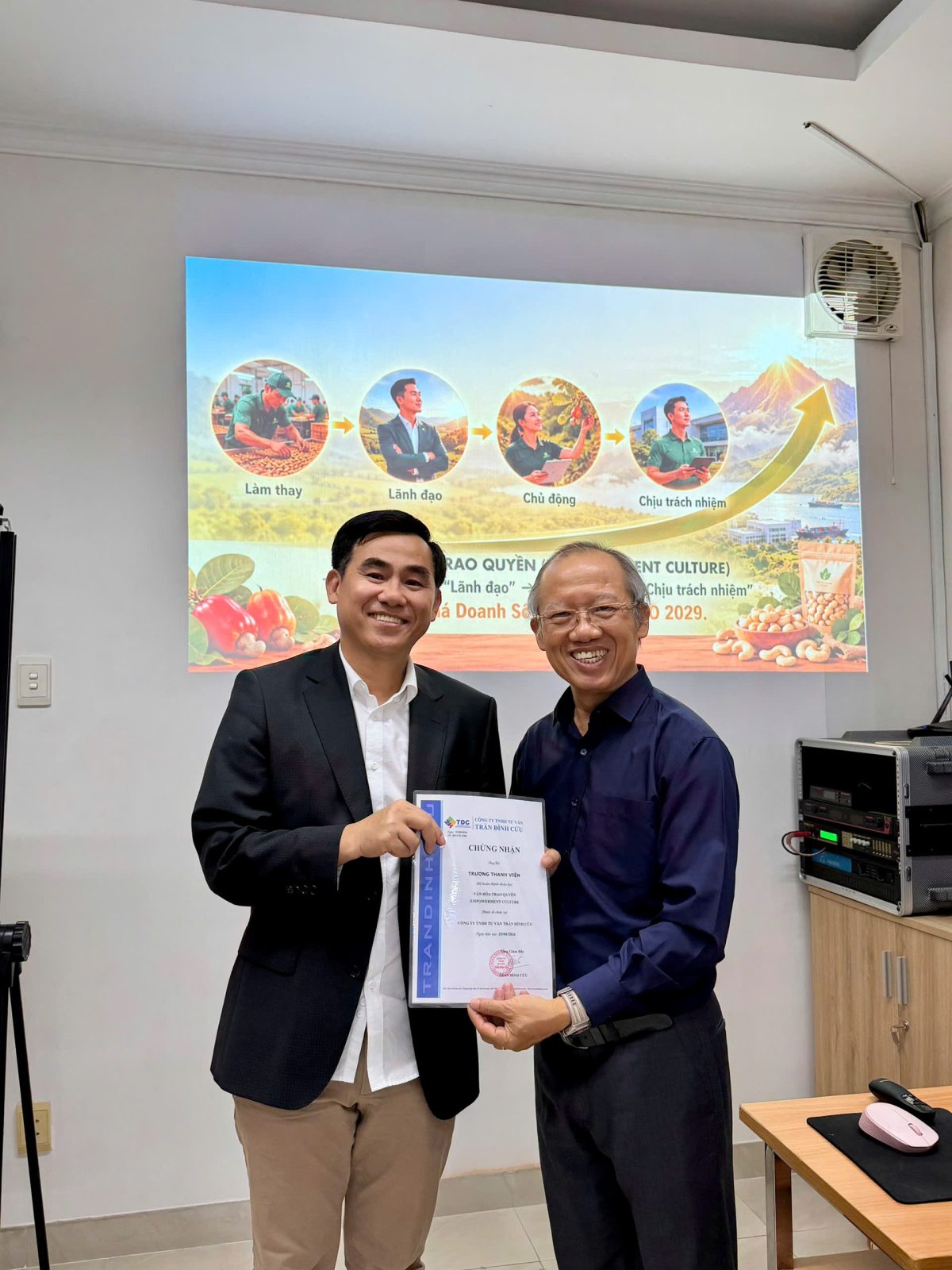
"Learn Every Day. Rise Every Day."
BioValley's Founder & CEO, Oscar Truong, summarized the philosophy behind the training with a phrase now circulating internally: "Learn Every Day. Rise Every Day." It's a simple line, but it points at something specific, that the empowerment culture being built isn't a one-time training session, but a standing expectation that growth is continuous and self-directed, not something that happens to people on a schedule set by someone else.
What a Workplace Empowerment Culture Means for BioValley's Partners
This kind of internal culture work doesn't produce a marketing claim buyers can verify directly, but it's worth naming honestly what it does and doesn't imply. It doesn't mean every process is perfect or every risk gets caught immediately. What it does reflect is a deliberate investment in the kind of decision-making culture that supports consistent execution across BioValley's product range, from raw organic cashew kernels graded to spec, through the roasted and flavoured cashew line (coconut, pepper, chilli, honey, wasabi, and salted), to organic green and roasted coffee, and private label production run to a buyer's own specification.
For buyers evaluating BioValley as a long-term supply partner, this sits alongside the harder, checkable proof points - certifications (USDA Organic, EU Organic, JAS Organic, BRCGS, SMETA, Fairtrade), traceability through the Truecoop cooperative network, and documented QC processes at BioFactory as the operational context underneath them: the people running those processes are being deliberately trained to take ownership of them, not just execute a checklist. A certification confirms a system is in place; a workplace culture that rewards someone for catching a problem before it reaches a container is what keeps that system working under pressure, not just on paper.
Final Considerations
An empowerment culture is built in the specific, unglamorous work of pairing responsibility with real authority and real accountability, and in creating enough psychological safety that someone will actually speak up about a risk rather than stay quiet and hope someone else notices.
For a certified organic exporter, that's not separable from product quality; it's one of the operational inputs to it. BioValley's recent training session was one step in that ongoing effort, not a finished state, which is, fittingly, close to the point of "Learn Every Day. Rise Every Day." in the first place.
Ready to discuss a collaboration with us?
Frequently Asked Questions
What is a workplace empowerment culture? A workplace culture where responsibility is paired with real decision-making authority, and that authority is paired with accountability for the outcome, as opposed to empowerment as a stated value without the structure to back it up.
Why does authority need to come with accountability? Without accountability, delegated authority doesn't build ownership, it just shifts decisions downward without the discipline that makes ownership meaningful. The two have to move together for empowerment to be real rather than nominal.
How does BioValley build empowerment culture among its team? Through structured Learning & Development focused on decision-making and ownership (not only technical skills), and through explicitly encouraging employees to speak up about quality, safety, or operational risks and work cross-functionally to resolve them.
Does workplace culture actually affect product quality? Culture doesn't replace certification and documented QC systems, but it determines how consistently those systems get followed under pressure, whether someone flags an out-of-spec batch on the roasted cashew line or a moisture reading on incoming raw kernels before it becomes a shipment issue, rather than after.
What does "Learn Every Day. Rise Every Day." mean at BioValley? It's Founder & CEO Oscar Truong's framing of continuous, self-directed growth as a standing cultural expectation, rather than something confined to periodic training sessions.